What Counts as Emergency Roadside Assistance (and What Doesn't)
Aug 10, 2026 · 8 min read
When your car quits on the shoulder, the problem is not just mechanical. It is time, safety, and stress all at once. Good emergency roadside assistance turns a scary moment into a short checklist: get visible, get safe, get help, get rolling. Here is what roadside coverage actually includes, what it quietly leaves out, and how to find help near you that shows up when it says it will.
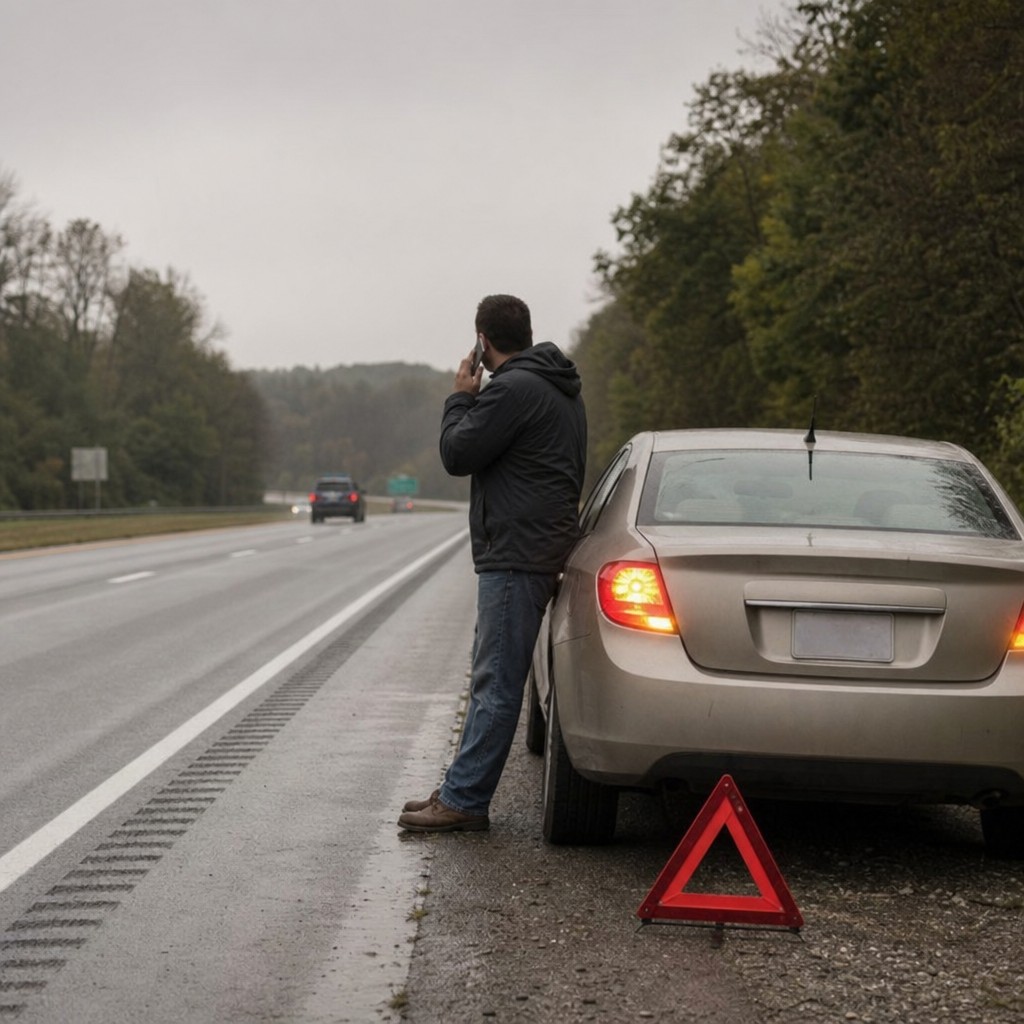
What counts as emergency roadside assistance
Most programs are built for the common "cannot drive right now" situations. Typical roadside service includes:
- Towing to a repair shop or safe location, usually with a mileage limit
- Flat tire service: mounting your spare, or a tow if you do not have one
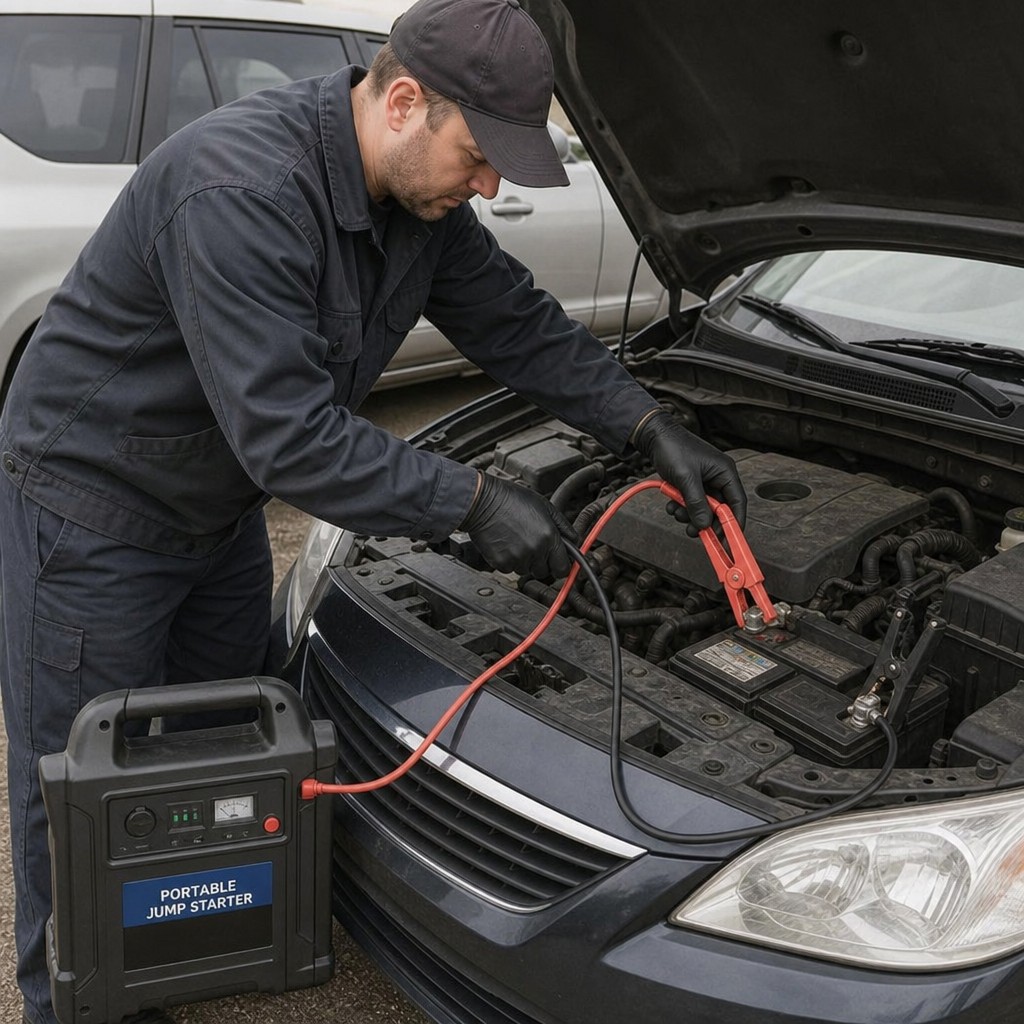
- Car battery jump start service, and sometimes a battery test on scene
- Lockout service, including keys locked inside the car
- Fuel delivery, normally a few gallons with the fuel itself billed to you
- Minor mechanical help like a hose clamp or a loose cable, within policy limits
What plans usually do not cover
- Major repairs or parts beyond basic on-scene labor
- Off-road recovery, unless winching is specifically included
- Access in severe weather or genuinely unsafe conditions
- Unlimited long-distance towing
Ask for benefit limits in plain numbers: miles towed, calls per year, maximum reimbursement. A cheap plan gets expensive fast if it only includes a five-mile tow.
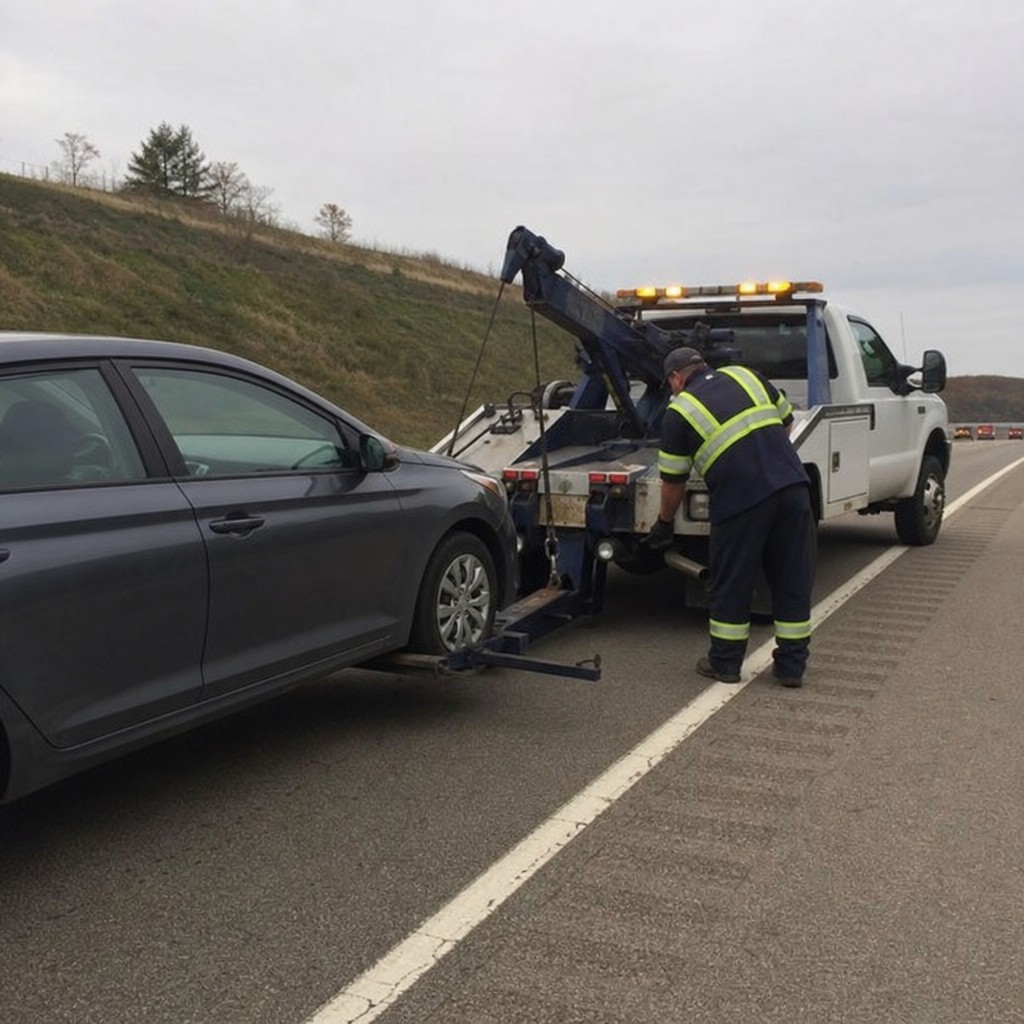
What to do when your car breaks down
- Signal and move. Hazards on, then steer to the right shoulder or a lot if you can.
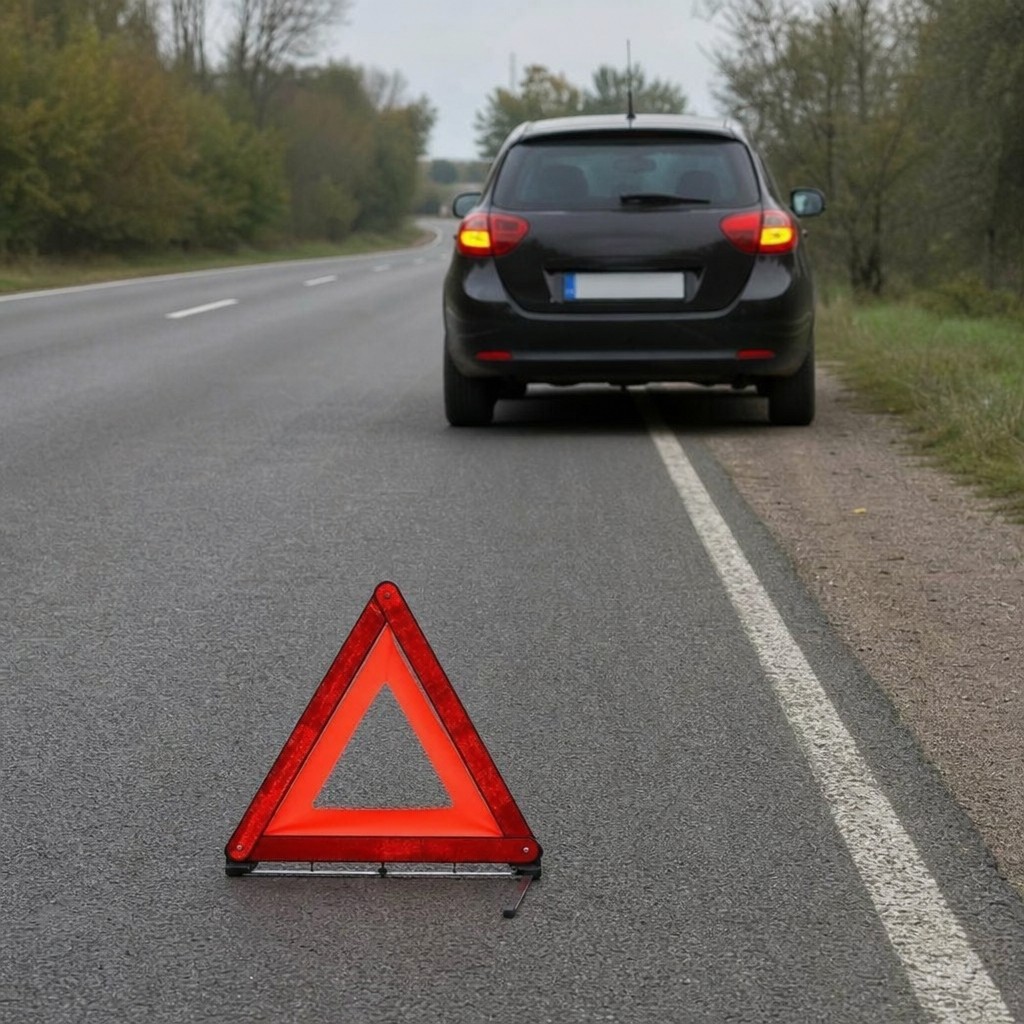
- Make yourself visible. Headlights on in rain or dark, triangles or flares out if you carry them.
- Stay safer. On a busy highway, staying belted inside is often safest unless there is smoke, fire risk, or the car sits in a dangerous spot.
- Share your location. GPS pin, mile marker, nearest exit number, or a cross street.
- Request the right help. Tow, tire, jump, lockout, fuel, or winch out.
That is really all "how to call roadside help like a pro" means: exact location, vehicle details, and a clear description of the problem.
Finding road service near you, fast
Searching "roadside service near me" gives you dozens of listings. Filter the noise with three checks.
Responsiveness and coverage first
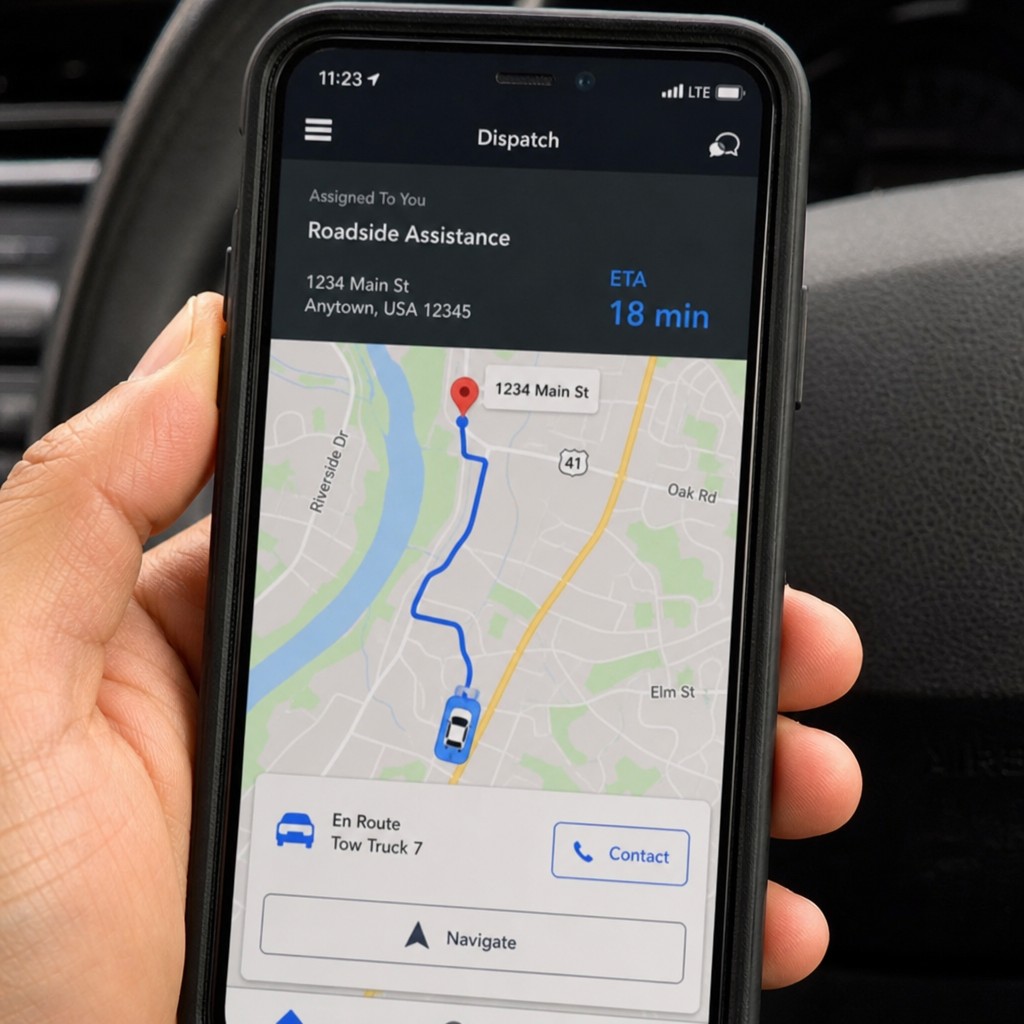
- A real 24/7 dispatch line or app, not a voicemail box
- Live ETA estimates instead of "sometime tonight"
- Clear service area covering your city and the highways around it
Credentials and transparency
- Licensed and insured, and willing to say so when asked
- Pricing structure spelled out: hook-up fee, per-mile tow, after-hours surcharge
- A text or email confirming the ETA and the cost estimate
Red flags
- Vague pricing that "depends when we arrive"
- Pressure to pay cash only or through an unusual app
- No business address, no dispatch confirmation, no written estimate
The services you are most likely to need
Flat tire roadside help
Ask whether they will mount your spare, and what happens if the spare is missing or flat. Plenty of newer cars ship without one, so confirm in advance that your plan tows to the nearest tire shop.
Car battery jump start service
Ask if the tech can test the battery and alternator or only jump it, and whether on-site battery replacement is an option. Repeated jump starts point to a failing battery or charging system, and at that point a tow beats another jump.
Lockout service
Check the cap on lockout calls per year, whether key fobs and smart keys are covered, and whether an independent locksmith is reimbursed if dispatch cannot reach you.
Fuel delivery
Confirm the fuel type and how many gallons arrive. Delivery is often free while the fuel itself is billed.
Winch-out recovery
Stuck in snow, mud, sand, or a ditch? Say how far off the pavement you are, whether the wheels are spinning or the car is high-centered, and flag hazards like a steep slope or soft shoulder. Coverage usually limits winching to a set distance from a maintained road.
How much road service costs per year
Annual cost swings by provider, vehicle, and benefits, so the better question is value. Add up what you would pay out of pocket without a plan: a tow with hook-up plus mileage, tire service or a tow to a tire shop, a lockout, a jump start, and a fuel drop. If you drive older vehicles, commute long distances, or deal with real winters, paying annually often beats one bad night.
Road service versus auto insurance
- Roadside assistance: dispatch and minor services, mostly tow, jump, lockout, tire, fuel.
- Auto insurance: collision and comprehensive events, sometimes with a roadside add-on.
Some drivers keep roadside separate so a small tow never gets logged as an insurance-related incident. Insurance add-ons also come with their own tow limits and dispatch networks, which may be thinner than a dedicated provider.
Alternatives to a AAA membership
- Your carmaker's new-vehicle roadside program
- Credit card perks, limited but genuinely useful
- Auto clubs and specialty providers
- Pay-per-use dispatch apps like Roadmate, with no annual fee
- Employer or member organization benefits
- Insurance add-ons, compared carefully
Special cases matter too. Rental car coverage may come from the rental company, a credit card, or your own policy, and not every plan covers motorcycles, so confirm the towing method and distance before you need it.
Choosing a plan: a short checklist
- 24/7 dispatch with a strong local network, plus a human backup line
- Clear tow mileage limits and how overages get billed
- Multiple service calls per year
- Lockout, battery, tire, and fuel all included
- Coverage per person or per vehicle, and direct service versus reimbursement
- Restrictions for highways, gated communities, or remote roads
- EV support, since most EVs need a flatbed
Prepare before you ever need it
- Save your provider's number and policy number in your phone right now
- Keep the spare inflated and know where the wheel lock key lives
- Carry a flashlight, reflective gear, and a small first-aid kit
- Keep a portable jump starter in the trunk if you park outside in winter
- Share your location with someone you trust on long trips
The takeaway
The best time to choose road service is before you are standing on the shoulder. Pick transparent towing limits, strong local dispatch, and the specific services you are most likely to use. Then, when something goes wrong, the call takes ninety seconds and the rest is just waiting somewhere safe.
Recommended gear for this
The gear that keeps a roadside wait short and safe.
Heads up: the links below go to Amazon and Roadmate earns a small commission if you buy something. Costs you nothing extra and it helps keep the dispatch line running.
NOCO Boost GB40 Jump Starter (1000 Amp)
1000-amp lithium jump pack for gas engines up to 6L and diesels up to 3L. Spark-proof clamps, USB power bank, built-in LED flashlight. The one our techs actually carry.
View on Amazon12V Portable Tire Inflator
Plugs into your 12V outlet, reads pressure in PSI, and can reseat a slow-leak tire well enough to reach a shop.
View on AmazonReflective Warning Triangles (3-Pack)
Set them 100–200 feet behind your car if you're stuck on the shoulder. Cheap, tiny, could save your life.
View on AmazonAll-in-One Emergency Roadside Kit
Reflective triangles, gloves, a small first-aid pouch, a flashlight, and basic tools in one bag.
View on Amazon
Frequently asked questions
What does emergency roadside assistance usually cover?
Towing to a shop or safe location within a mileage limit, flat tire service, jump starts, lockout help, fuel delivery, and small mechanical fixes like a loose cable or hose clamp.
What is normally not covered?
Major repairs and parts, off-road recovery unless it is specifically included, access in severe weather or unsafe conditions, and unlimited long-distance towing.
How much does roadside assistance cost per year?
It varies by provider and vehicle, so compare the fee against what one or two incidents would cost you out of pocket: a hook-up plus mileage tow, a tire service, a lockout, a jump start, or a fuel drop.
Is roadside assistance the same as auto insurance?
No. Roadside assistance is dispatch and minor on-scene service. Auto insurance covers collision and comprehensive events, and sometimes sells roadside as an add-on with its own tow limits and network.
Stuck right now?
No membership needed. Talk to a real dispatcher and get a clear price up front.