Why Are My Brakes Squeaking? Causes, Fixes and When to Worry
Published Oct 23, 2026 · 5 min read · By Hassan, Owner of Roadmate Services
Nothing announces your arrival in a quiet parking lot like a long, high squeal. If you are asking why your brakes are squeaking, it is usually one of three things: morning moisture on the rotors (harmless), the pad wear indicator telling you the pads are low (book a brake job soon), or new pads still bedding in. Grinding, a soft pedal or a car that pulls is different: stop driving.
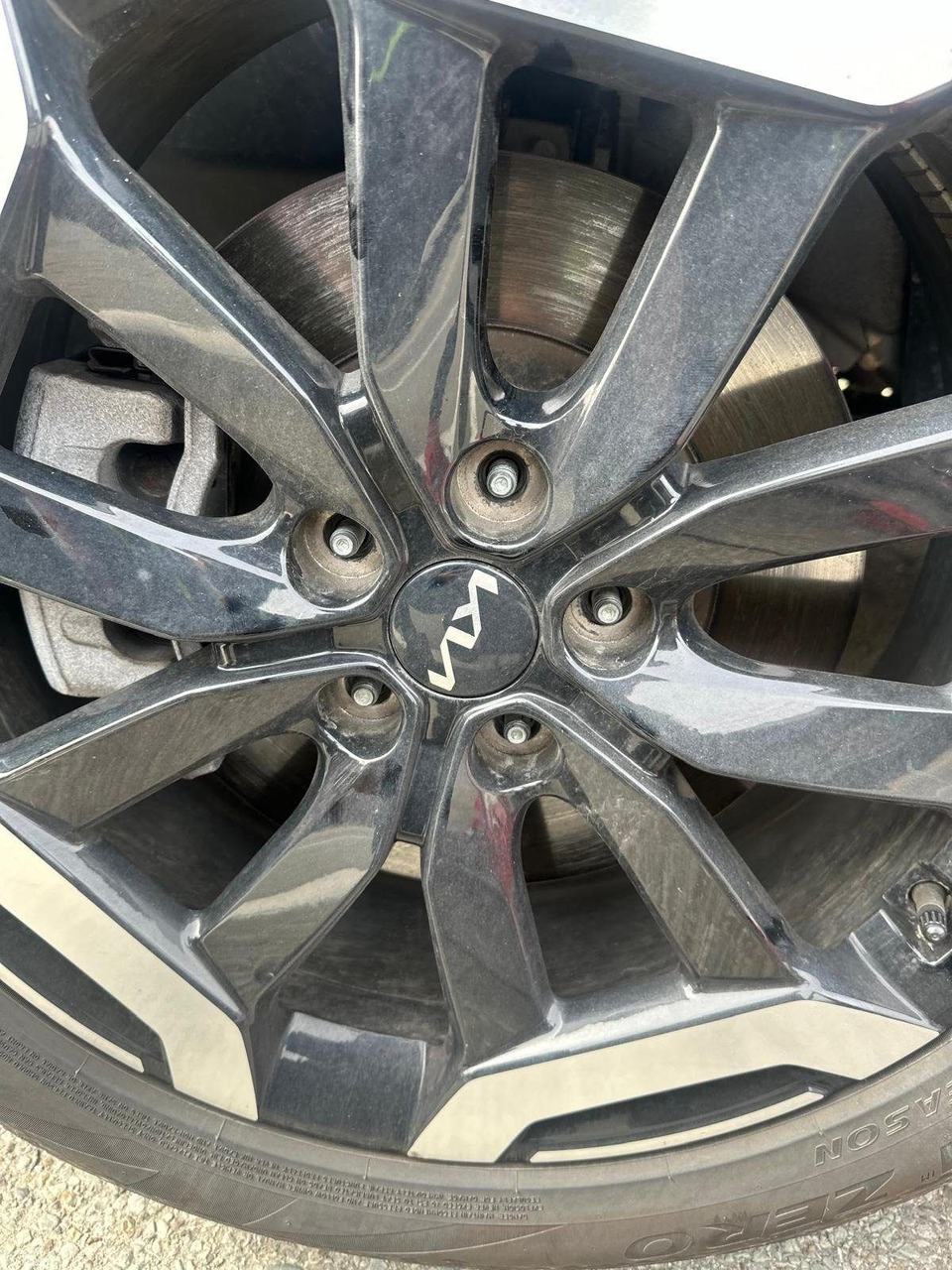
Quick answer: what your squeak is telling you
| When it squeaks | Likely cause | How serious | What to do |
|---|---|---|---|
| First few stops in the morning or after rain | Moisture, light surface rust | Low | Nothing; it wipes off |
| Every stop, high-pitched, getting louder | Wear indicator: pads are low | Medium | Book a pad replacement soon |
| Only when stopping slowly | Pad vibration, dry hardware, glazing | Low to medium | Have it checked at the next service |
| Right after new pads | Bedding in, hardware | Low for a few days | Back to the installer if it lasts |
| The squeak has turned into grinding | Pads worn through | Stop | Do not keep driving; get a tow |
| In short | Most squeaks are a warning, not an emergency | Grinding, soft pedal or pulling: stop | |
Notice when the noise happens, not just that it happens. Your mechanic will ask.
Why are my brakes squeaking? 6 common causes
1. Worn pads and the wear indicator
Many pads carry a small metal tab. When the pad gets thin, the tab touches the rotor and squeals at every stop. Mazda calls this squeak an intentional design feature. Think of it as an alarm clock with no snooze button.
Book a pad replacement soon. Left alone, the squeal turns into grinding and a bigger repair.
2. Moisture and surface rust
Rain, dew or a car wash leaves a thin film of rust on the rotors, and the pads scrape it off in the first few stops. AAA Club Alliance says this squeak usually fades quickly. A car that squeaks only before coffee is not a morning person either.
3. Dust and debris
A small stone or grit caught between the pad and rotor can squeal or scrape. It often clears by itself; if not, the wheel needs to come off.
4. Glazed pads or rotors
Heavy braking or riding the brake can overheat the pads until their surface turns hard and shiny. Glazed parts squeal, grip less well and usually need replacing.
5. Missing lubrication or loose hardware
Shims, clips and caliper slide pins keep the pad steady. When they are dry, worn or missing, the pad vibrates and sings.
6. The pad type
Harder, more metallic pads tend to be noisier. A pad can be perfectly healthy and still a little chatty.
Squeaking brakes when stopping slowly
Light pedal pressure lets the pad vibrate against the rotor, and that vibration is the squeal. Dry hardware, glazing or a hard pad makes it worse. It is rarely dangerous; mention it at your next service.
New brakes squeaking: normal or not?
A little noise in the first few days is common: new pads and rotors need time to bed in, and AAA Club Alliance notes that new brakes can squeak while they break in.
Go back to whoever fitted them if:
- the squeak lasts beyond the first few days or gets louder,
- you hear grinding (new pads should never grind),
- the pedal feels different, or the car pulls to one side.
A lasting squeal on new brakes often points to hardware that was not lubricated or replaced. New brakes should make a quiet first impression.
Is it safe to drive with squeaking brakes?
Usually, for now. A squeak on its own is a warning, not a failure. Book a check if it happens at every stop or is getting louder. And to be honest: a squeak on the first two stops after a wet night needs nobody, us included.
Do not keep driving if you notice any of these. Pull over safely and get a tow:
- grinding, metal on metal,
- a soft or sinking pedal, or a pedal that goes to the floor,
- the red brake warning light together with a soft pedal,
- a brake fluid leak under the car,
- the car pulling hard to one side when you brake.
On I-70, I-71 or I-270: get safe, then call. Hazards on, as far off the roadway as you can. Our highway breakdown steps cover the rest. Then see our tow service in Columbus and the tow cost guide.
How to stop brakes from squeaking
- Morning squeak only: do nothing. It wipes itself off.
- Debris: drive a few normal stops. If the noise stays, have the wheel taken off and checked.
- Wear indicator: replace the pads, and the rotors if they are worn or scored.
- Glazing: replace the glazed pads, and the rotors if needed.
- Hardware: clean, lubricate the contact points and pins, or replace the clips and shims.
- Never spray lubricant on pads or rotors. Mazda advises leaving brake lubrication to a professional, because the wrong product in the wrong place cuts braking power.
Squeaking brakes in Columbus? We come to you
Roadmate does mobile brake pad and rotor replacement in Columbus. Our technicians replace pads and rotors where you are parked. The price depends on your vehicle and the parts, so it is a quote by phone, confirmed before any work starts.
Not sure what you need? The brake service request form has a "not sure, diagnose first" option. Describe when the squeak happens and we call you back. Wet Ohio mornings make the rust squeak common here, and if it sounds like that, we will tell you.
Frequently asked questions
Is it safe to drive with squeaky brakes?
A squeak on its own usually is, for now. Book a check if it happens at every stop or gets louder. Grinding, a soft pedal or a hard pull to one side means pull over safely and get a tow.
How do I stop my brakes from squeaking?
Fix the cause: replace low or glazed pads, and service dry or loose hardware. A morning rust squeak needs nothing at all.
Why do my brakes squeak when I brake lightly?
Light pressure lets the pad vibrate against the rotor. Dry hardware, glazing or a hard pad makes it worse. It is usually not dangerous, but a constant squeal deserves a look.
Do new brakes squeak?
Often, for the first few days while the pads bed in. If the squeak lasts longer, gets louder or turns into grinding, go back to whoever fitted them.
More brake guides: grinding noise when braking; how often to change brake pads; brake pad replacement cost.
The bottom line
Squeaking brakes are usually morning moisture, the pad wear indicator or new pads bedding in. A squeak at every stop that keeps getting louder means book a pad replacement soon. Grinding, a soft pedal, a fluid leak or a hard pull means stop driving and get a tow.
Brakes squeaking in Columbus?
Call (380) 288-2822, 6 AM to 8 PM daily, Eastern Time, or request a callback online. We replace pads and rotors where you are parked and quote by phone before any work starts.
Here is to stops so quiet the only thing you hear is the radio.