Car Stuck in Snow? How to Get Your Car Unstuck Safely
Published Oct 23, 2026 · 6 min read · By Hassan, Owner of Roadmate Services
A snowbank always wins a pushing contest, so stop pushing and start with a plan. If your car is stuck in snow, stop spinning the wheels. Check that you are safe and the tailpipe is clear, then dig the snow away from the drive wheels, turn traction control off and ease forward and back in the lowest gear. If it has not moved after a few tries, call for a winch-out.
Below are the six steps in order, what to do with an AWD car or a plow pile, and the point where digging longer only makes it worse.
Quick answer: what to do when your car is stuck in snow
| Step | Do | Do not |
|---|---|---|
| 1. Safety | Hazards on; tailpipe clear of snow | Run the engine with a blocked exhaust |
| 2. Dig | Clear the drive wheels and under the car | Floor the gas |
| 3. Traction control | Off, then back on once you are free | Leave it on while stuck |
| 4. Go gently | Lowest gear, ease forward and back | Spin the wheels |
| 5. Traction | Sand, cat litter, floor mats, traction mats | Antifreeze or water |
| 6. Call | After a few tries, or on a slope, in a ditch or near traffic | Keep rocking until something breaks |
Safety first: before you try to get unstuck
- On a road or highway: get safe, then call. Turn the hazards on. If traffic is passing close, stay in the car with your seatbelt on rather than standing beside it to dig.
- Clear the tailpipe before you run the engine. Snow packed around the exhaust can push carbon monoxide into the car. The CDC warns about this every winter.
- If you cannot clear the exhaust, keep the engine off. Stay in the car with layers on and call for help.
- Keep helpers away from the wheels. Nobody stands behind or beside a spinning tire. It can throw ice and gravel, and the car can lurch when it grips.
The National Weather Service also says to stay with your vehicle in a winter storm unless help is in sight. Our winter roadside safety tips cover staying warm and visible while you wait.
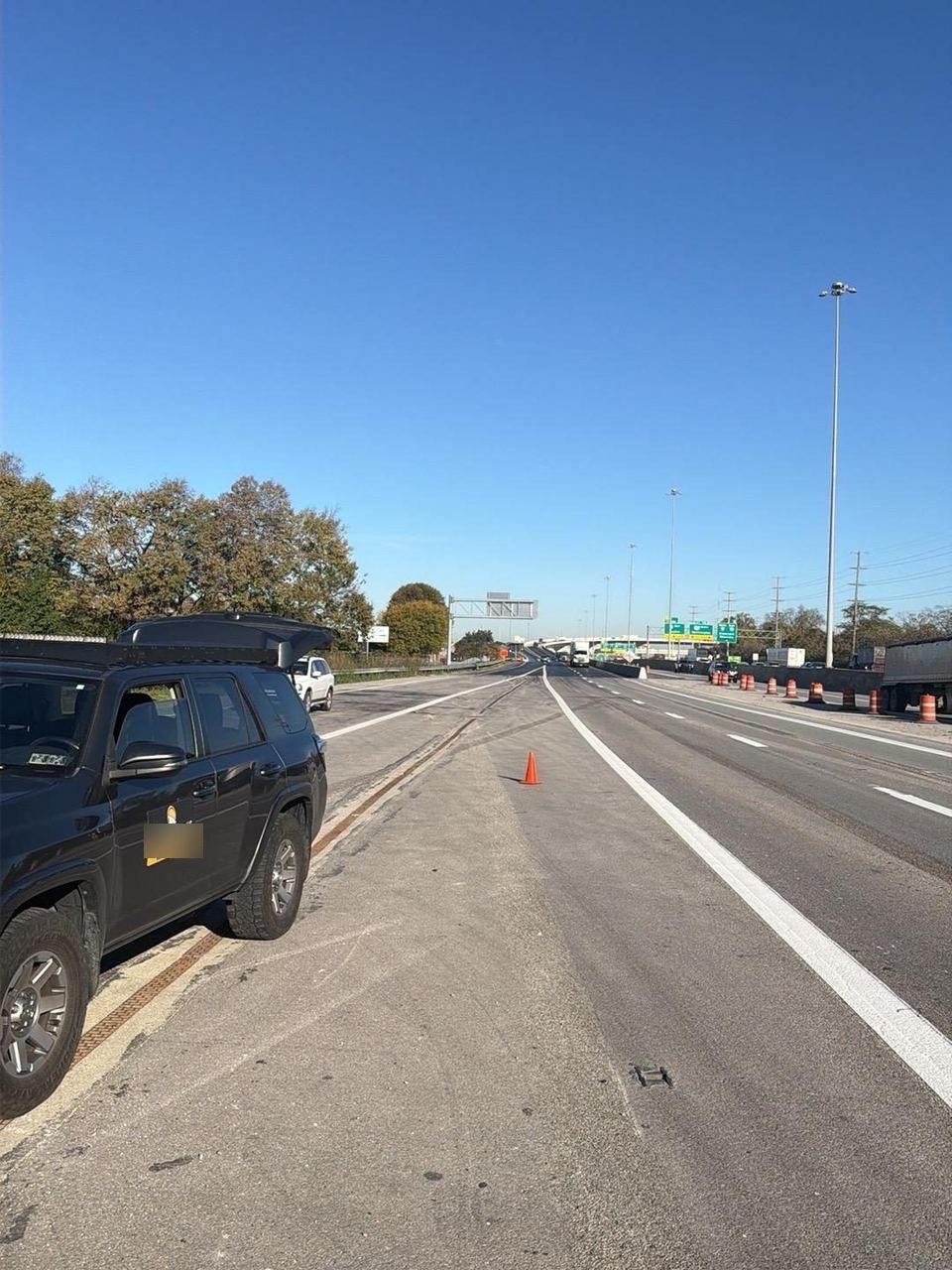
How to get your car unstuck from snow: 6 steps
Once you are safe and the exhaust is clear, work through these in order.
1. Clear snow around the drive wheels and under the car
Dig in front of and behind the tires that drive the car: the front wheels on most cars, the rear on many trucks, all four on AWD. Then clear the snow packed under the car. If the car is resting on snow, the wheels have nothing to push against. The shovel is the most useful thing you will forget to pack.
2. Turn traction control off (and back on after)
Traction control cuts power when a wheel spins. On a clear road that helps. When you are stuck, it can stop the car from getting the little bit of wheel movement it needs. Switch it off, and switch it back on as soon as you are moving on solid ground.
3. Ease forward and back gently, in the lowest gear
Straighten the wheels, choose the lowest gear (or L or 1 on an automatic) and press the gas lightly. If the tires spin, stop. Spinning polishes the snow into ice and digs the car deeper. Light feet win this one; this is not a drag race.
4. Add traction under the tires
Put sand, cat litter or traction mats in front of the drive wheels, in the direction you want to go. The car floor mats work too; they are finally earning their keep. Do not pour antifreeze or water on the snow. It does not help grip and water just refreezes.
5. Rock the car, a few times only
Ease forward until the wheels slip, then ease back, and repeat to build a short track. Wait until the car stops before changing direction. A few tries is the limit. Rocking it over and over heats the transmission and can do more damage than the snow.
6. Let a little air out, only as a last resort
A slightly softer tire spreads out and grips better. Only do this if you can drive slowly straight to an air pump afterwards, and refill to the pressure on the driver’s door jamb label. If there is no pump nearby, skip this step.
If the car is moving now, you do not need us. Keep a light foot until you reach a cleared road, and turn traction control back on.
Can an AWD car get stuck in snow?
Yes. All-wheel drive helps you get going because it sends power to all four wheels. It does not help you stop or steer on ice, and it cannot drive a car that is resting on packed snow. Ground clearance and tires matter more once you are in deep snow. AWD is a great co-pilot, but it still needs a road.
The NHTSA winter driving tips are worth a read before the first snow, whatever drives your wheels.
How to get your car out of a snow pile
Plows leave a heavy ridge of packed snow at the end of driveways and along parked cars. If you drove into one, do not try to ram through it. Dig out the front and sides, then clear the snow packed under the car so the wheels carry the weight again. Back out slowly in a straight line, the way you came in.
Packed plow snow is much heavier than it looks. It also has a talent for showing up right after you finished shovelling.
When to stop and call for a winch-out
Stop trying and call if any of these is true:
- The car is on a slope, or could slide when it breaks free.
- The car is in a ditch, or one side is off the road.
- The car is high-centred: resting on snow with the wheels barely touching.
- You are close to traffic on a road or highway shoulder.
- You have tried the steps above a few times and it has not moved.
A car in a ditch near traffic is a call, not a DIY job. Highway safety comes before speed: stay buckled in with the hazards on, and let a technician set up the pull. If anyone is hurt, call 911 first.
One example from our own jobs was mud, not snow, but it is the same kind of recovery. In Hilliard, a van driver stopped on the side of the road and could not get back out. We pulled it out. Snow or mud, the idea is the same: a steady pull back to solid ground instead of more wheelspin.
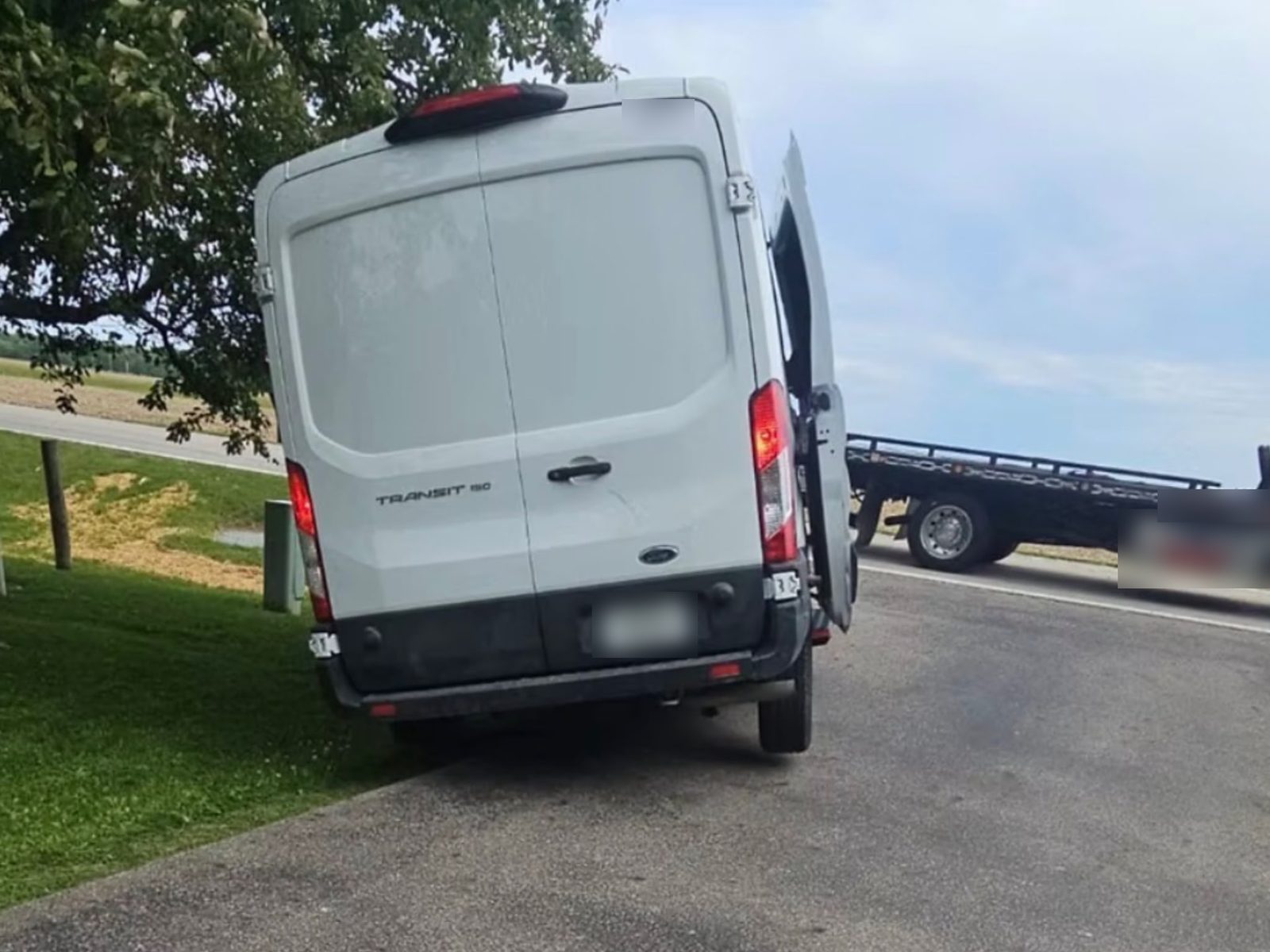
Snow and winch help in Columbus
We winch cars out of snow as well as mud, on Columbus-area roads, driveways and parking lots. Any of our trucks can do it: the service truck, the flatbed or our partner’s truck, whichever fits the job. We take slide-off calls during ice storms too, between 6 AM and 8 PM. Our estimated winch-out range is $150 to $300 per hour.
If the car cannot be driven once it is out, our estimated tow range is $125 to $275 for tows of about 1 to 15 miles; longer tows are quoted by phone. Your exact price depends on your location, the vehicle and conditions on scene, and a dispatcher confirms it before anyone heads your way.
We work 6 AM to 8 PM daily, Eastern Time. Average arrival in Columbus is about 32 minutes, depending on traffic, weather and location; snow days can be slower, and we will tell you a realistic time. See our towing and winch-out service in Columbus, or read tow truck vs roadside assistance if you are not sure which one you need.
Before the next snow: what to keep in the car
- A compact snow shovel.
- A bag of sand or cat litter, or a pair of traction mats.
- A charged phone and a car charger.
- Warm layers, gloves and a blanket.
- An ice scraper and a flashlight.
Our emergency car kit list covers the rest. Ohio can deliver sunshine at lunch and a snow drift by dinner, so pack the kit before you need it.
Frequently asked questions
What do you do if your car is stuck in snow?
Stop spinning the wheels first. Make sure you are safe and the tailpipe is clear, then dig snow away from the drive wheels and from under the car, turn traction control off and ease forward and back in the lowest gear. Add sand, cat litter or floor mats under the tires if they spin. If it has not moved after a few tries, call for a winch-out.
Can an AWD car get stuck in snow?
Yes. All-wheel drive sends power to all four wheels, which helps you get moving, but it does not help you stop or steer on ice, and it cannot push through snow that is deeper than the car's ground clearance. An AWD car resting on packed snow is stuck like any other car.
How do you get your car out of a snow pile?
Dig out the front and sides first, then clear the snow packed under the car so the wheels carry its weight again. Back out slowly the way you came in, in a straight line. Do not try to ram through the pile; packed plow snow is heavy and can damage the bumper and the parts underneath.
How long can a car sit in cold weather without being started?
There is no single number. It depends on the battery's age and health and on how much power the car draws while parked. An older battery can struggle after a few cold days, a newer one lasts longer. If your car often sits in the cold, have the battery tested before winter.
Should I let air out of my tires to get unstuck?
Only as a last resort, and only a little, if you can drive straight to an air pump afterwards. A slightly softer tire gives a bigger footprint and more grip. Refill to the pressure on the driver's door jamb label before you drive at normal speed.
Is it safe to stay in the car while I wait?
Usually yes, and it is often the safest place, especially near traffic. Keep the tailpipe clear of snow before you run the engine for heat, and open a window slightly. If you cannot clear the exhaust, keep the engine off and stay warm with layers and blankets.
The bottom line
Safety first: hazards on, tailpipe clear, and nobody beside the wheels. Then dig out the drive wheels, turn traction control off, go gently in the lowest gear and add traction. If the car has not moved after a few tries, or it is on a slope, in a ditch or near traffic, stop and call for a winch-out.
Stuck in snow in Columbus?
Call (380) 288-2822, 6 AM to 8 PM daily, Eastern Time. A dispatcher confirms the price and an arrival estimate before anyone heads your way.
Here is to a winter where the only thing stuck is a song in your head.