Winter Roadside Safety Tips: What Keeps You Safe in the Snow
Updated Oct 23, 2026 · First published Jul 13, 2026 · 7 min read · By Hassan, Owner of Roadmate Services
The first snow of the year always seems to arrive before anyone has found the ice scraper. If you break down in the snow: get safe, then call. Stay with the car, keep the exhaust pipe clear, run the engine for short spells to stay warm, and make the car easy to see. Call for help early instead of waiting to see if things improve. Cold changes how fast a breakdown turns serious.
Quick answer: what to do in a winter breakdown
| Situation | What to do |
|---|---|
| Anyone hurt, or the car is in a live lane | Call 911 first |
| Stopped on a snowy highway shoulder | Get safe, then call: stay buckled in with the hazards on |
| Waiting in the cold with the engine running | Clear the exhaust pipe first, run about 10 minutes each hour, crack a downwind window |
| The car will not start on a cold morning | Call for a jump start, then get the battery tested |
| Slid off the road into snow or a ditch | Stay in the car if traffic is close, then call for a winch-out |
Battery life: 3 to 5 years, and cold finds the weak ones
Cold slows the chemistry inside a battery, so it delivers less power on exactly the mornings the engine is hardest to start. A battery that was weak in the fall often quits on the first hard frost. AAA puts most battery life at 3 to 5 years and suggests a test every year from year three. Slow cranking, dim lights at start-up or a recent jump start are all reasons to test it before winter.
Batteries are a bit like the rest of us on a January morning: slower to get going and grumpier about it.
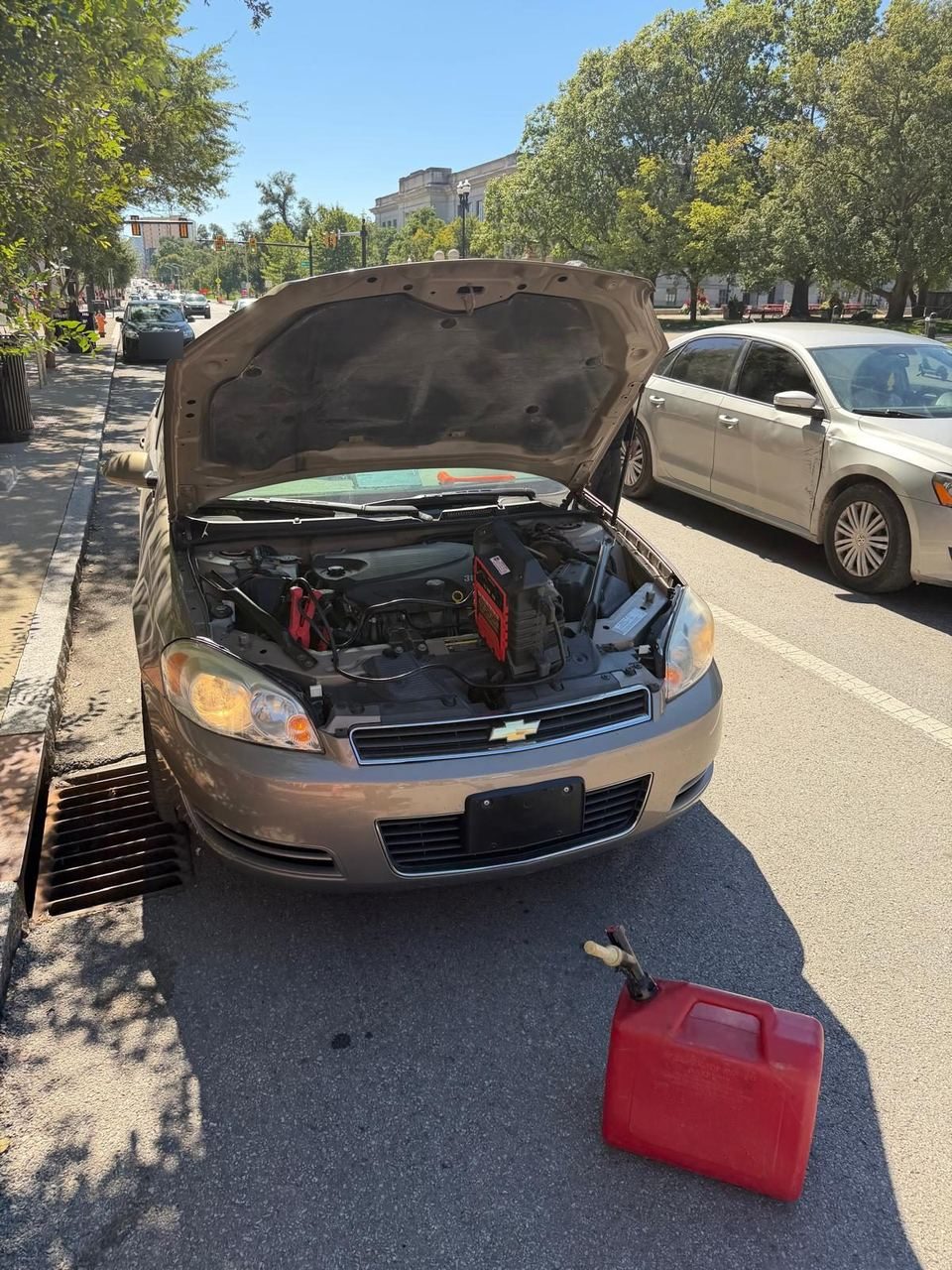
Keep the tank at least half full
If you get stuck in a snowstorm backup or slide off a road, fuel is what runs your heater. A fuller tank gives you more time warm in the car while help is on the way. It also means one less thing to worry about when the temperature drops overnight. Think of the top half of the tank as your heater’s savings account.
Winter car kit: 6 things to keep in the car
The NHTSA winter driving tips suggest a snow shovel, broom and ice scraper, sand or cat litter for traction, jumper cables, a flashlight, warning devices, blankets, and a phone charger, water, food and any medicine you need. In practice:
- A wool or fleece blanket. Wool stays warm even when it gets damp.
- Hat, gloves and spare socks. Cheap ones that live in the car all winter.
- Sand or cat litter. Pour it under the drive wheels for traction on ice.
- A compact snow shovel and an ice scraper.
- A charged phone power bank. Cold drains phones quickly too.
- Water and snacks. Swap them out every fall.
A bag of cat litter in the trunk may raise an eyebrow at the gas station. It will also get you off a patch of ice. Our year-round emergency car kit covers the basics for the other three seasons.
Stuck in the snow: 4 steps that keep you safe
On a highway shoulder: get safe, then call. Stay buckled in with the hazard lights on. If the car is in a live lane or anyone is hurt, call 911 first.
- Stay with the car. It is easier to spot than a person, it blocks the wind, and rescuers look for stopped vehicles first.
- Before running the engine, check the exhaust pipe is completely clear of snow. A blocked pipe can push carbon monoxide into the cabin.
- Run the engine and heater for about ten minutes each hour, as state emergency guidance advises, and open a downwind window slightly while it runs. Our post on how much gas idling uses helps you plan around a low tank.
- Make the car visible: tie something bright to the antenna or door handle, and switch on the interior light at night.
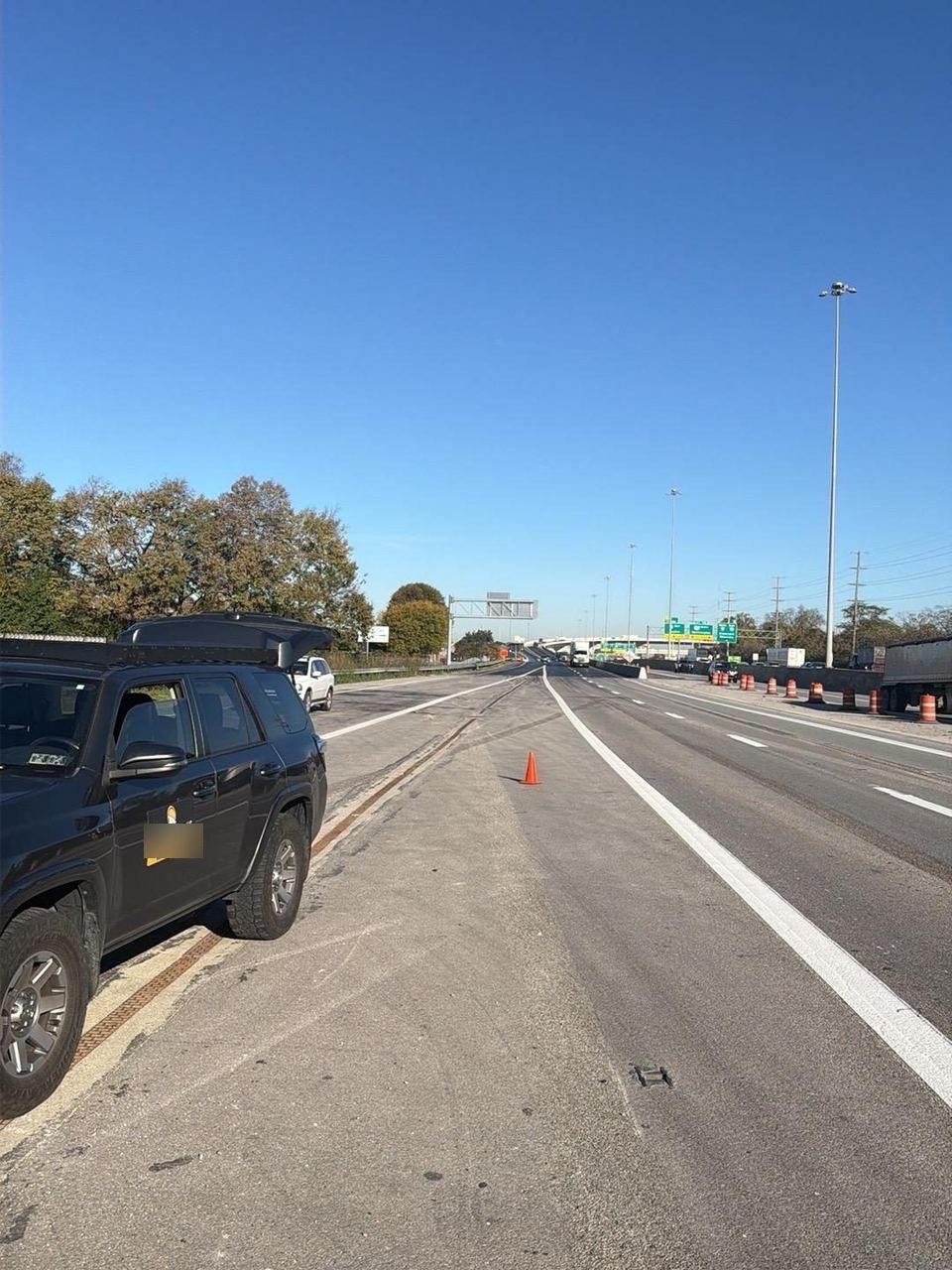
When should you call instead of waiting?
In warm weather, people sometimes wait an hour to see whether a battery recovers or a phone finds signal. In winter, that hour matters. If it is below freezing, if you have children or older passengers with you, or if there is no shelter nearby, call the moment you know you are stuck.
In Columbus, see our winter car battery service for cold-morning no-starts, the Columbus jump start service, and winch and recovery in Columbus if you slide off the road. Our guide on what to do when your car battery dies walks through the first few minutes.
5 winter checks before the first frost
- Get the battery tested if it is 3 years old or more.
- Check tire pressure, including the spare. The NHTSA tire safety booklet advises at least once a month.
- Top up the washer fluid with a winter mix and check the wipers.
- Pack the winter kit above and leave it in the car until spring.
- Save our number in your phone: (380) 288-2822.
Ten minutes of checking in October saves a lot of shivering in January.
Winter gear worth keeping in the car
Cold is hard on batteries, snow buries tires, and it gets dark early. These four items help with a lot of winter breakdowns.
Heads up: the links below go to Amazon and Roadmate earns a small commission if you buy something. Costs you nothing extra and it helps keep the dispatch line running.
Extendable Ice Scraper & Snow Brush
A real one - telescoping handle, brush on one end, scraper on the other. Not the six-inch thing that came with your car.
View on AmazonRecovery Traction Mats
Wedge them under a spinning tire in snow, mud, or sand. Way cheaper than a winch-out call.
View on AmazonNOCO Boost GB40 Jump Starter (1000 Amp)
1000-amp lithium jump pack for gas engines up to 6L and diesels up to 3L. Spark-proof clamps, USB power bank, built-in LED flashlight. The one our techs actually carry.
View on AmazonRechargeable LED Flashlight
USB-C rechargeable, magnetic base, 1000+ lumens. Way better than your phone's light when you're under a hood at night.
View on Amazon
Winter breakdown questions
Should I stay in my car if I break down in the snow?
Usually, yes. The car is easier to spot than a person, it blocks the wind, and walking in a whiteout is how people get hurt. Leave only if you know exactly where you are and that help is very close.
How long can I run the engine to stay warm?
Emergency guidance says about ten minutes each hour, adjusted for how much fuel you have. Before you start the engine, make sure the exhaust pipe is completely clear of snow, and open a downwind window slightly.
Why does my car battery die in the cold?
Cold slows the chemistry inside the battery, so it has less power right when the engine is hardest to turn over. Most batteries last about 3 to 5 years, so have yours tested every year once it is 3 years old.
What should I do if I slide into a ditch?
If traffic is close, stay in the car with your seatbelt on and the hazards flashing, and call. Do not keep spinning the wheels; it digs the car in deeper. If anyone is hurt, call 911 first. A winch-out pulls the car back to solid ground.
Does Roadmate help in winter in Columbus?
Yes, 6 AM to 8 PM daily, Eastern Time, for jump starts, tire changes, lockouts, frozen doors and locks, fuel delivery, winch-outs and towing. We take slide-off calls during ice storms too. A dispatcher confirms availability, your full price and an arrival estimate before anyone heads your way.
The bottom line
In a winter breakdown, get safe, then call, and call early. Stay with the car, keep the exhaust clear before running the engine, and make yourself easy to see. Before the season starts, test an older battery, keep the tank at least half full and pack a winter kit.
Stuck in the cold in Columbus?
Call 6 AM to 8 PM daily, Eastern Time. A dispatcher confirms availability, your full price and an arrival estimate before anyone heads your way.
Stay warm, stay visible, and save the snow angels for the front yard.