What Temp Does Diesel Gel? About 10 to 15°F for Regular Diesel
Published Nov 14, 2026 · 7 min read · By Hassan, Owner of Roadmate Services
Diesel and an Ohio January do not always get along. So, what temp does diesel gel? Regular No. 2 diesel usually gels between 10 and 15°F, according to UTI and NAPA. The wax in it can start to cloud the fuel as early as 32°F.
Winter blend diesel holds out much lower, around -20°F or below for many blends. An anti-gel additive, added before the cold arrives, keeps regular diesel flowing too. Once the fuel has set, the fix is heat and time.
Quick answer: at what temperature does diesel fuel gel?
| Temperature | What happens to the fuel | Source |
|---|---|---|
| 32°F | Paraffin wax starts to stiffen and the fuel can turn cloudy | NAPA |
| 20°F | Gelling can start in regular diesel | Cadence |
| 10 to 15°F | Regular No. 2 diesel gels and can clog filters and lines | UTI, NAPA |
| -10°F for about 48 hours | Untreated diesel gels completely | Cadence |
| About -20°F or lower | Where many winter blends are designed to hold out | UTI |
| Below -40°F | Gel point of No. 1 (winter or arctic) diesel | UTI |
| Rule of thumb | Lows in the teens or below: treat regular diesel or buy winter blend | |
From NAPA Know How, Cadence Petroleum and Universal Technical Institute (UTI), checked November 2026. General figures, not Roadmate data. Every batch of fuel is a little different.
The numbers are a range, not a cliff. Your fuel filter, though, tends to read them very literally.
Why diesel gels: cloud point and gel point explained
Diesel contains paraffin wax. In warm weather it stays dissolved. As the fuel cools, the wax forms tiny crystals. That is the cloud point: the fuel looks hazy, and Cadence calls it the temperature where gelling begins.
Keep cooling it and the crystals grow and stick together. They catch in the fuel filter first, then the lines. That is gelling. The pour point is colder still: the fuel barely flows at all.
Paraffin is the same family of wax as candles. Lovely on a dinner table. Not so lovely in a fuel filter at 6 AM.
No. 2 diesel, winter blend diesel and No. 1 diesel: 3 gel points
No. 2 diesel: gels around 10 to 15°F
This is the regular diesel at most pumps for most of the year. UTI puts its gel point between 10 and 15°F, and NAPA agrees. It carries more of the wax that causes the trouble than No. 1 diesel does.
Winter blend diesel: holds to about -20°F or lower
Winter diesel, or winter blend, mixes No. 1 and No. 2 diesel, often with anti-gel already added. UTI says many winter blends are designed to resist gelling down to around -20°F or lower, depending on the blend. Cadence notes that stations in colder climates switch to it as the temperature falls.
If you are not sure what the pump is selling, ask the station. Winter blend is the diesel version of putting a coat on before you leave the house.
No. 1 diesel: gels below -40°F
No. 1, sometimes sold as arctic diesel, has much less wax. UTI puts its gel point often below -40°F. It is the cold-weather specialist, and it is the part of a winter blend that does the heavy lifting.
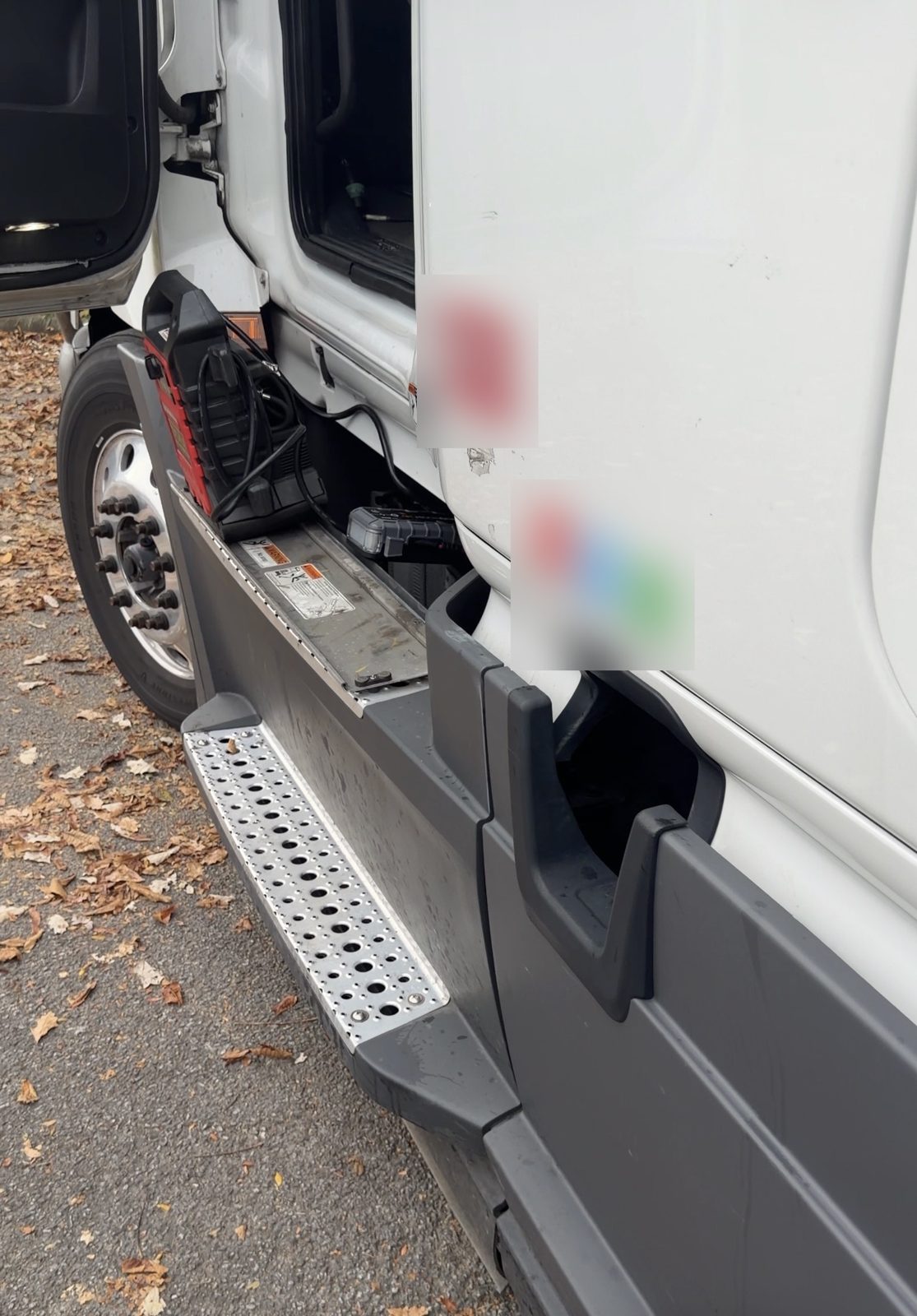
5 signs your diesel has gelled
- The engine cranks but will not start, or starts and dies after a few seconds.
- It runs rough, sputters or loses power under load, especially soon after a cold start.
- It stalls when you pull away, because the filter cannot pass enough fuel.
- Fuel in the filter or a clear line looks cloudy, waxy or thick.
- It happens after the coldest night of the week, on fuel you bought when it was still mild.
A diesel that will not start in the cold can also be a weak battery or glow plugs. Our guide to why a car won't start in the cold covers those. If it is gelled fuel, more cranking only drains the batteries. Stop and warm the fuel instead.
Anti-gel diesel fuel: how a diesel anti-gel additive works
Anti-gel diesel fuel additives change how the wax crystals form, so they stay small and pass through the filter. NAPA says an additive can lower the point where the fuel stops flowing by as much as 40 degrees, which can prevent clogging down to about -30°F.
How to use diesel anti-gel so it actually works:
- Add it before the cold arrives. Both Cadence and UTI say to treat the fuel before temperatures drop, not after.
- Pour it in before you fill up. Cadence says adding it before the fuel goes in helps it mix through the whole tank.
- Use the dose on the bottle for the gallons you are adding. More is not better.
Anti-gel is prevention. UTI notes it will not break down fuel that has already set solid. Adding it after the fuel has gelled is like buying an umbrella once you are already soaked.
How to ungel diesel fuel in 5 steps
Get safe, then call. If a diesel loses power on I-70, I-71 or I-270, steer onto the shoulder as far right as you can, or take the next exit if you still can. Put the hazards on and stay buckled in. Winter exposure is dangerous: if you cannot stay warm or anyone is hurt, call 911.
Once the vehicle is somewhere safe:
- Stop cranking. Long cranking on gelled fuel only flattens the batteries.
- Get heat to the fuel. UTI calls heat the most effective fix. A heated garage is best. Never use an open flame or a torch near a fuel tank, filter or lines.
- Use an emergency treatment made for gelled fuel, following its label. UTI says to let it sit 15 to 30 minutes before you try to start; NAPA suggests about 20 minutes.
- Replace the fuel filter if it is clogged. UTI and Cadence both describe priming the new filter with diesel and treatment before you fit it.
- Start it and let it idle until it runs smoothly and reaches operating temperature before you drive off.
UTI says warming a cold-soaked fuel system can take 30 minutes to several hours. Diesel thaws on its own schedule, not yours, so bring a coffee and a little patience.
7 ways to keep diesel from gelling this winter
- Buy winter blend diesel once the nights turn cold.
- Treat regular diesel with anti-gel before a cold snap, every fill-up.
- Keep the tank at least half full. UTI says less air space means less condensation, and water in diesel brings its own winter trouble.
- Park in a garage when you can. Cadence suggests keeping a diesel vehicle or stored fuel indoors in the cold.
- Plug in the block heater once temperatures approach zero, as NAPA suggests. It warms the engine, not the fuel, so still treat the tank.
- Store spare diesel between 30 and 70°F, the range Cadence gives, and treat it before winter.
- Change the fuel filter before winter if it is due. A part-clogged filter is the first thing wax crystals block.
A half-full tank in January is less exciting than a full fridge. It does more for your morning, though.
Gelled diesel in Columbus: when to call roadside and when not to
Not every diesel problem is a roadside job, and we will say so. Gelled fuel needs heat and time, and a badly clogged system may need a diesel shop. Topping up the tank will not thaw fuel that has already set in the filter.
What Roadmate does for diesels in Columbus, 6 AM to 8 PM daily:
- Diesel delivery when a car, pickup or semi has run low or dry. Up to 20 gallons for a semi, quoted by phone. Our diesel fuel delivery guide explains how a diesel that ran dry gets primed.
- Jump starts on 12-volt and 24-volt systems when the batteries are worn down from cranking on a cold morning.
We do not tow semis or heavy-duty trucks. Off-road equipment runs on dyed fuel, covered in what red diesel is, and for the rest of the cold-weather kit see our winter roadside safety tips.
Frequently asked questions
At what temperature does diesel fuel gel?
Regular No. 2 diesel usually gels between 10 and 15°F, according to UTI and NAPA. Wax can start to cloud the fuel near 32°F, and Cadence Petroleum notes that gelling can begin at about 20°F. There is no single exact number, because every batch of fuel is a little different.
What is winter blend diesel?
Winter blend is a mix of No. 1 and No. 2 diesel, often treated with anti-gel additives. UTI says many winter blends are designed to resist gelling down to around -20°F or lower, depending on the blend. Stations in colder areas switch to it as temperatures fall.
Does anti-gel work on diesel that has already gelled?
Anti-gel is mainly prevention. Add it before the cold arrives, ideally before you fill up so it mixes with the fuel. Once fuel has set solid, heat is what fixes it, and UTI notes that regular anti-gel additives do not break down fuel that has already solidified. Emergency treatments sold for gelled fuel are a different product; follow the label.
How long does it take for diesel to ungel?
UTI says warming the fuel system can take 30 minutes to several hours, depending on how cold it is and how long the vehicle has sat. A heated garage is the most reliable way to do it.
Does a block heater stop diesel from gelling?
Not on its own. Cadence notes that a block heater keeps the engine and coolant warm but does not warm the fuel directly. It still helps the engine start on a cold morning, and NAPA suggests plugging it in once temperatures approach zero.
Should I add kerosene to diesel in winter?
Cadence says kerosene lowers the cold filter plugging point but only slows gelling rather than preventing it. Check your owner's manual or the truck maker before you mix anything into the tank, and use a winter blend or a labelled anti-gel instead where you can.
The bottom line
Regular No. 2 diesel gels around 10 to 15°F and can start clouding near 32°F. Winter blend holds to about -20°F or lower, and No. 1 diesel below -40°F. Treat the tank with anti-gel before the cold, keep it half full, and if it does gel, use heat and patience rather than the starter.
Diesel ran low or batteries flat in Columbus?
Call (380) 288-2822, 6 AM to 8 PM daily, Eastern Time. We arrive in about 32 minutes on average, depending on traffic, weather and location, and the dispatcher confirms the price before anyone heads your way.
Here is to clear fuel, a quick start, and the only thing gelled this winter being your hair.