Service Tire Monitor System: What It Means and What to Do
Published Oct 23, 2026 · 5 min read · By Hassan, Owner of Roadmate Services
This is your car admitting it can no longer keep an eye on your tires. “Service tire monitor system” means the tire pressure monitoring system (TPMS) has a fault and may not warn you if a tire loses air. It is not the same as the low-tire light. Check all four tires with a gauge today, then book a tire shop to look at the sensors.
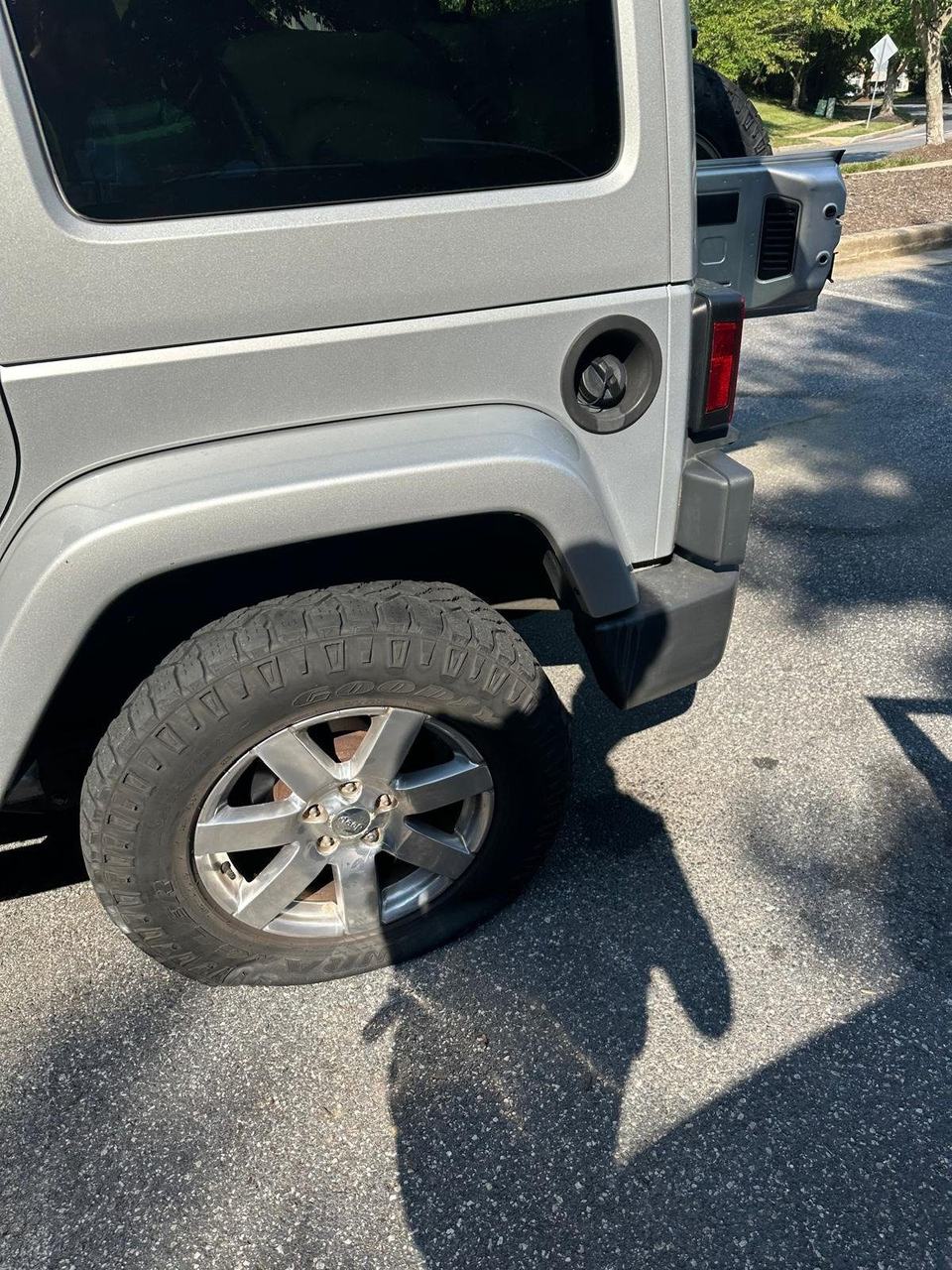
Quick answer: service tire monitor system
| What you see | What it means | What to do |
|---|---|---|
| Solid tire pressure light | One or more tires are low | Gauge check, add air to the door-jamb pressure |
| “Service Tire Monitor System” or a light that flashes, then stays on | The TPMS has a fault and may not warn you | Gauge check all four tires, then book a tire shop |
| A tire that keeps going low | A leak | Fix the leak; get roadside help if you cannot drive |
What does “service tire monitor system” mean?
The message is common on GM vehicles: Chevrolet, GMC, Buick and Cadillac. Some show it shorter, as “Service Tire Monitor” or “SVC Tire Monitor”. Many other brands show the same fault as a tire light that flashes for about a minute at start-up and then stays on. Our guide to a tire pressure light flashing covers that version.
Your tires may be perfectly fine. The problem is that the car can no longer promise to tell you when they stop being fine. It is a lifeguard who has put up a “back in five minutes” sign.
How do tire pressure sensors work?
Most cars use direct TPMS. A small battery-powered sensor sits inside each wheel, often built into the valve stem. It measures the air pressure and sends it to the car by radio while you drive. Under the federal TPMS rule, FMVSS No. 138, the system must warn you when a tire is 25 percent or more below the recommended cold pressure.
Some cars use indirect TPMS instead. There are no sensors in the wheels; the car compares wheel speeds through the ABS, because a low tire turns slightly faster. Four little radios chatting with the car all day: your tires may have a busier social life than you do.
Common causes of a tire sensor fault
Tire pressure sensor battery is dead
Sensor batteries typically last 5 to 10 years, according to TirePressure.com. The battery is sealed inside the sensor, so there is no separate TPMS battery replacement. When it runs down, the whole sensor is replaced. Think of a loyal employee who retires after a decade: you cannot give it a fresh battery, you hire a new one.
Sensor damaged during a tire change or by corrosion
The sensor sits inside the wheel, where a tire machine can catch it when a tire is mounted. Corroded valve stems are another common failure, and a few Ohio winters of road salt do them no favors.
New sensor or wheels not relearned
After a new sensor, new wheels or sometimes a tire rotation, the car has to learn which sensor sits at which corner. Some cars do it on a short drive; others need a TPMS tool. Your owner’s manual lists the method for your model.
Winter or spare wheels without sensors
A spare or a set of winter wheels without sensors brings up the message until the regular wheels go back on. Nothing is broken. The car is just looking for sensors that are sitting in your garage.
Can you drive with the service tire monitor message on?
Usually yes, carefully. Check all four tires with a gauge first and inflate them, cold, to the pressure on the driver’s door-jamb placard. The car may not warn you if a tire starts losing air, so check the pressures by hand every week until the system is fixed. Cold mornings lower the pressure too, as our guide to tire pressure in cold weather explains.
A tire that looks low, or keeps dropping after you fill it, is a leak and a different problem. If that happens on I-70, I-71 or I-270, get safe, then call: pull off at the next exit if you can, or stop well onto the shoulder with the hazards on and stay buckled in. NHTSA’s tire safety page explains why correct pressure matters.
Tire pressure sensor replacement
What the tire shop does
- Reads each sensor with a TPMS tool to find the one that is not reporting.
- Takes the tire off the wheel and fits a new sensor.
- Relearns the new sensor to the car.
- Checks that the message has cleared.
Tire pressure sensor replacement cost
Market figure, not a Roadmate price: Mechanic Base, citing RepairPal, puts sensor replacement at about $240 to $299 on average in the US. The final price depends on the vehicle, the shop and how many sensors need replacing.
Ask for one price that includes the sensor, labor and the relearn. On an older car, a shop may suggest doing all four. That is not always an upsell: sensors that started work on the same day tend to retire around the same time.
What Roadmate can and cannot do in Columbus
Not everything is a roadside job, and we will say so. A dead sensor is a tire shop job, because the tire has to come off the wheel and the car needs a relearn. We do not replace sensors or do relearns.
- We inflate low tires where you are parked and reset the TPMS light.
- Our technicians carry a scan tool, though it cannot always give a full diagnosis on site.
- When a tire is actually flat, we plug a repairable puncture or fit your spare. See our tire change service in Columbus.
We work 6 AM to 8 PM daily and arrive in about 32 minutes on average, depending on traffic, weather and location. A new warning on the morning commute is stressful, so here is the plain version: the message on its own is not an emergency; a low tire is. Our tire gauge, for the record, has never once needed a relearn.
Frequently asked questions
How do you fix a service tire monitor system?
First check all four tires with a gauge and inflate them to the door-jamb pressure. Then a tire shop reads the sensors, replaces the one that is not reporting, and relearns it to the car. If the cause was a spare or winter wheels without sensors, putting the regular wheels back on clears it.
Can I still drive with a service tire monitor system message?
Usually yes, once a gauge shows all four tires at the right pressure. The system may not warn you about a leak, so check the pressures by hand every week until it is fixed.
How much is it to fix a service tire monitor system?
It depends on the cause and how many sensors need replacing. Mechanic Base, citing RepairPal, puts tire pressure sensor replacement at about $240 to $299 on average in the US. That is a market figure, not a Roadmate price.
What does it mean if it says service tire monitor system?
It means the tire pressure monitoring system has a fault, such as a sensor that is not reporting. It does not by itself mean a tire is low, but it does mean the car may not tell you if one becomes low.
Can you replace just the TPMS battery?
In most sensors, no. The battery is sealed inside the sensor, so when it runs down the whole sensor is replaced.
The bottom line
“Service tire monitor system” means the warning system has a fault, usually a sensor with a dead battery, a damaged sensor or a missed relearn. Check all four tires with a gauge, keep checking weekly, and book a tire shop for the sensor. A low tire in the meantime can be sorted where you are parked.
Low tire in Columbus and no gauge handy?
Call (380) 288-2822, 6 AM to 8 PM daily, Eastern Time. A dispatcher confirms the price and an arrival estimate before anyone heads your way.
May the only message on your dashboard be the time of day.