Tire Valve Stem: What It Does, Leak Signs and When to Replace It
Updated Oct 23, 2026 · First published Oct 23, 2026 · 5 min read · By Hassan, Owner of Roadmate Services
A tire valve stem is the small valve you fill a tire through, and it holds the air in. Cars use three types: rubber snap-in stems, metal clamp-in stems and TPMS stems that are part of the pressure sensor. Replace a stem when it cracks or leaks, and with every new tire.
It is about the size of a pencil stub, and it holds up a two-ton SUV every day without complaint.
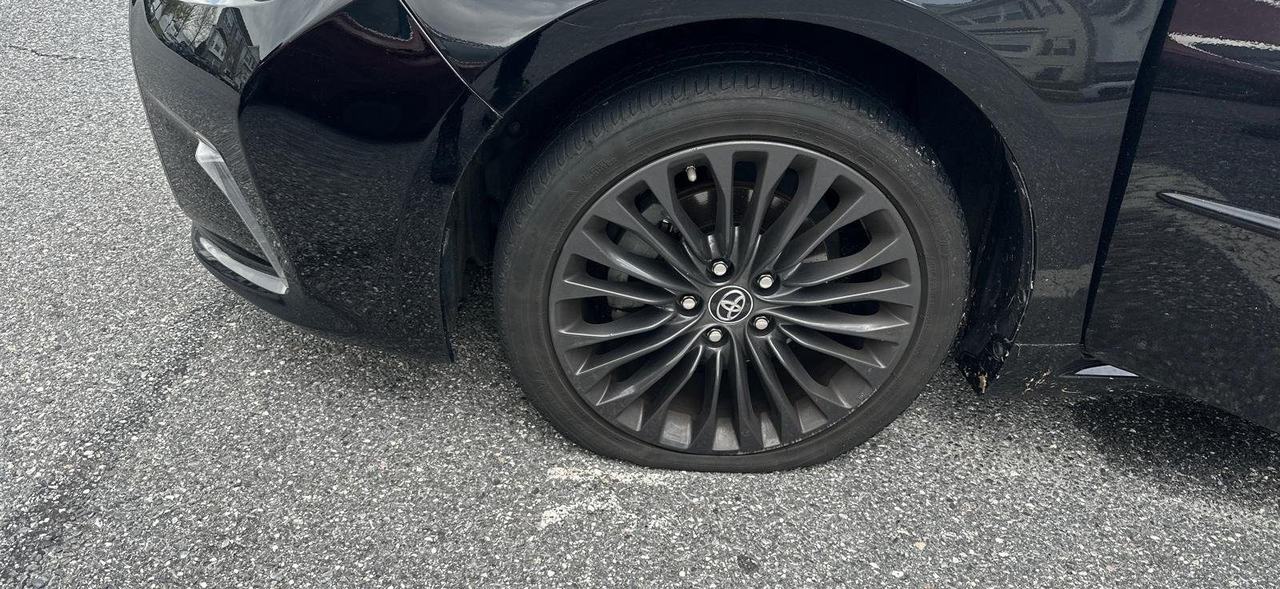
Quick answer: tire valve stems at a glance
| Question | Short answer |
|---|---|
| What is it? | The small valve you add air through. It also keeps the air in. |
| Types on cars | Rubber snap-in, metal clamp-in, and TPMS stems built into the pressure sensor |
| When to replace | When it is cracked or leaking, and with every new tire |
| Leak test | Soapy water on the stem and core. Growing bubbles mean a leak. |
| Who replaces it | A tire shop, because the tire has to come off the wheel |
| Bottom line | A cheap part that can flatten a good tire. Check it when you check pressure. |
What does a tire valve stem do?
A valve stem has three parts: the stem, the tube through the wheel; the core, a small spring valve inside that opens to take air and closes to hold it; and the cap, which keeps dirt and water out. The core does the real work. The stem just gives it somewhere to live.
Types of valve stems
Rubber snap-in valve stems
Most passenger cars use these. Discount Tire notes that standard rubber stems are typically rated up to 65 psi (Discount Tire on valve stems). The rubber cracks with age, so Discount Tire recommends new stems at least whenever the tires are replaced.
Metal valve stems
Metal stems clamp to the wheel with a nut and a rubber grommet, often on performance wheels. They are stronger, but the nut can loosen, the grommet ages and the metal can corrode.
TPMS valve stems
On most cars from the late 2000s on, the stem is part of the tire pressure sensor inside the wheel. A blinking warning light points to the sensor, covered in tire pressure light flashing.
Signs of a leaking valve stem
- One tire loses a few psi every few days
- Cracked or stiff rubber at the base of the stem
- Corrosion on a metal stem
- The pressure light comes on with no puncture in sight
- A faint hiss when you bend the stem
A nail or a bent rim can cause the same slow loss. See slow leak in tire and how to fix a punctured tire.
How to check a valve stem for leaks with soapy water
Park off the road, engine off, parking brake on.
- Inflate the tire to the door-jamb sticker pressure and remove the cap.
- Put a drop of soapy water on the open end of the stem. Bubbles mean the core is leaking.
- Wet the base of the stem. Bubbles there mean the stem or its seal is leaking.
- Bend the stem gently and watch again; a cracked stem often leaks only when flexed.
A leaking core is often just loose, and a valve core tool tightens it. Sometimes the whole problem is a few turns of a part smaller than a fingernail.
Valve caps: why the small part matters
The cap keeps grit and water out of the core. Les Schwab recommends plastic caps over metal, because a metal cap can corrode and fuse to the stem (Les Schwab on valve stem maintenance). Think of the cap as the smallest bodyguard on your car: it works for pennies and never takes a day off.
Tire valve stem replacement: DIY, tire shop or roadside?
Can you replace a valve stem without removing the tire?
A standard stem, no. It seals from inside the wheel, so the tire comes off the bead at a tire shop. A loose core is the exception: tighten or swap it with the tire on the car.
TPMS stems are a tire shop job
A TPMS stem is part of the sensor, and the car may need a relearn. We do not replace sensors or do relearns: not everything is a roadside job, and we will say so.
A valve that broke at the air pump
One afternoon a driver called me from a gas station on the west side of Columbus. The valve on one of her tires broke while she was putting air in it. I told her we would fix it on the spot if we could, and if not, we would take the tire to a tire shop and bring it back. Her 2009 Nissan has tire pressure sensors, and on cars like that the sensor sits on the inside end of the valve (more in service tire monitor system). That makes it a tire shop part, so I took the wheel to Taz Tires on Harrisburg Pike, they fitted a new sensor valve, and I brought it back and put the wheel on. The job was $150, and the sensor valve was $60. She came for air and left with a new valve, which is not how most gas station stops go. The point: a sensor valve needs a shop, but you do not have to get the car there. Every car is different, so we quote this by phone.
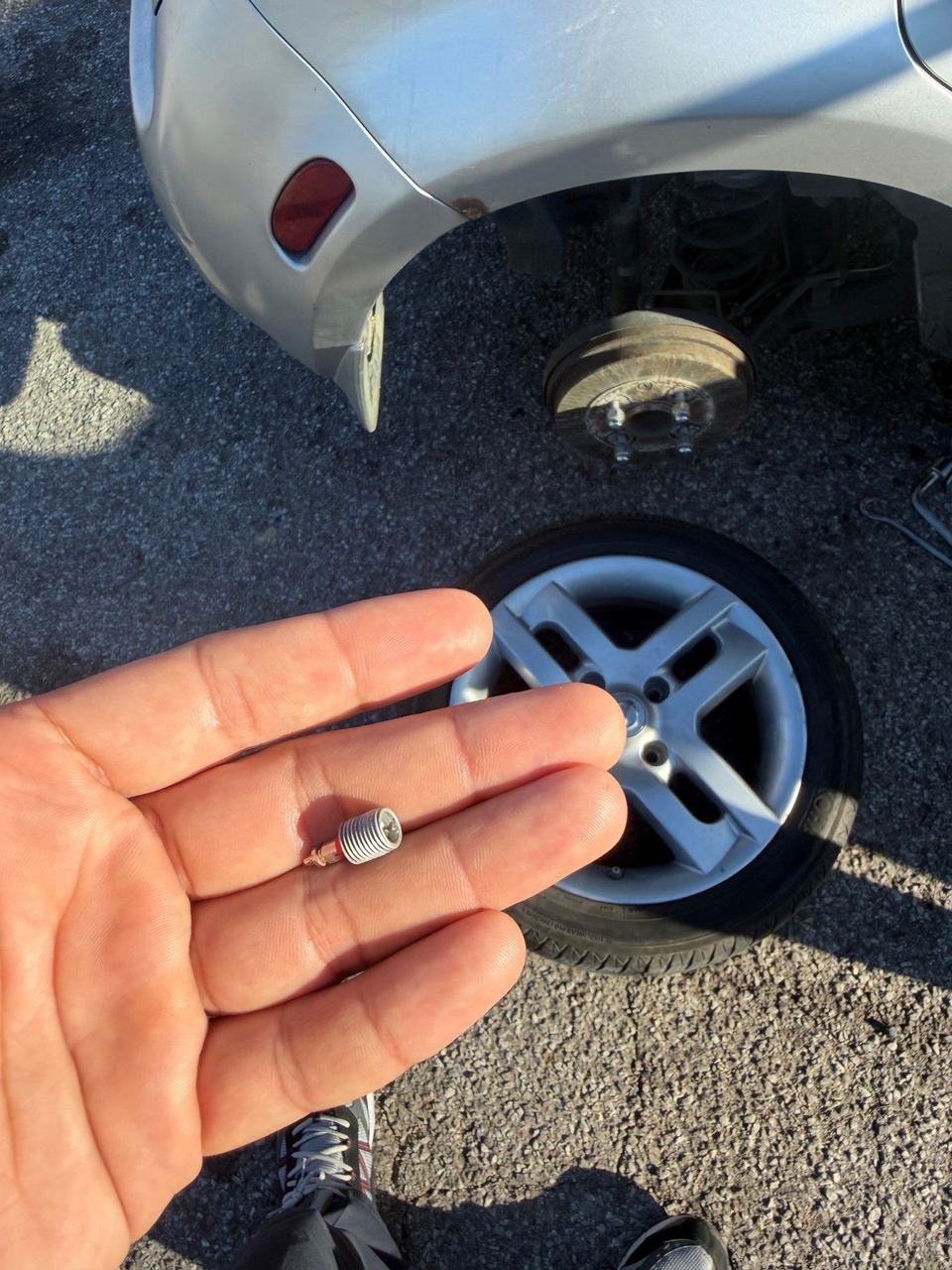
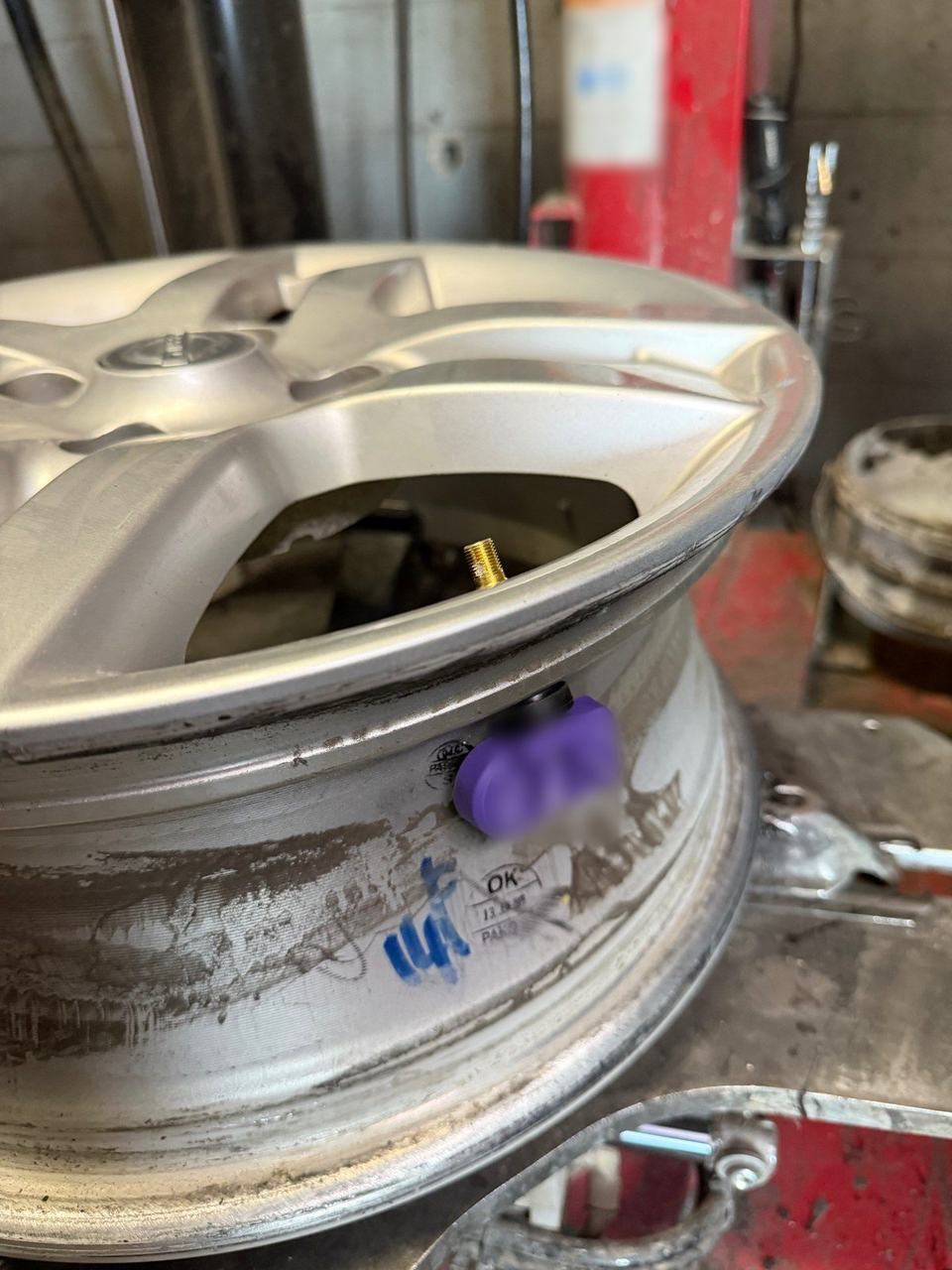
Valve stem leak on the road in Columbus
On a highway shoulder on I-70, I-71 or I-270, get safe first, then call. Do not work on the traffic side of the car. We do not replace valve stems or valve cores on site. What we can do:
- Inflate-only visit: we top up the tire so you can reach a shop and reset the tire pressure light. Quote by phone.
- Fit your spare: estimated $85 to $175 for a tire change.
- Stem or core replacement: we take the tire to a shop, have the stem or core replaced and bring it back to fit it. Quote by phone.
We work 6 AM to 8 PM daily, and arrival in Columbus averages about 32 minutes, depending on traffic, weather and location.
Frequently asked questions
How much does it cost to replace a tire valve stem?
It depends on the stem type and the shop; a TPMS stem costs more because it is part of the sensor. Ask your tire shop for a quote before they start.
Is replacing a valve stem easy?
The part is simple, the job is not. The tire comes off the bead, the stem is swapped and the wheel is usually rebalanced, which needs a tire machine.
Can a bad valve stem cause a flat tire?
Yes. A cracked stem or loose core starts as a slow leak, and a slow leak left alone ends as a flat.
Are metal valve stems better than rubber?
They are stronger, but the nut can loosen, the grommet ages and metal can corrode. Rubber snap-in stems are fine for most passenger cars.
The bottom line
Rubber stems crack with age, metal stems loosen and corrode, and TPMS stems belong to the sensor. Keep the caps on, test a suspect stem with soapy water and fit new stems with new tires. NHTSA recommends checking tire pressure at least once a month (NHTSA tire safety); look at the stems while you are there.
Tire losing air in Columbus?
Call (380) 288-2822, 6 AM to 8 PM daily, Eastern Time. A dispatcher confirms the price and an arrival estimate before anyone heads your way.
May your valve stems stay as quiet and forgettable as they were designed to be.