Is Front Wheel Drive Good in Snow? FWD vs AWD, 4WD and RWD
Published Oct 23, 2026 · 5 min read · By Hassan, Owner of Roadmate Services
The first snow of the year turns every parking lot into a drivetrain debate. Is front wheel drive good in snow? Yes, for most city and highway driving, especially on winter tires. All wheel drive helps you pull away and climb, but it does not help you stop or steer. Tires decide most of that.
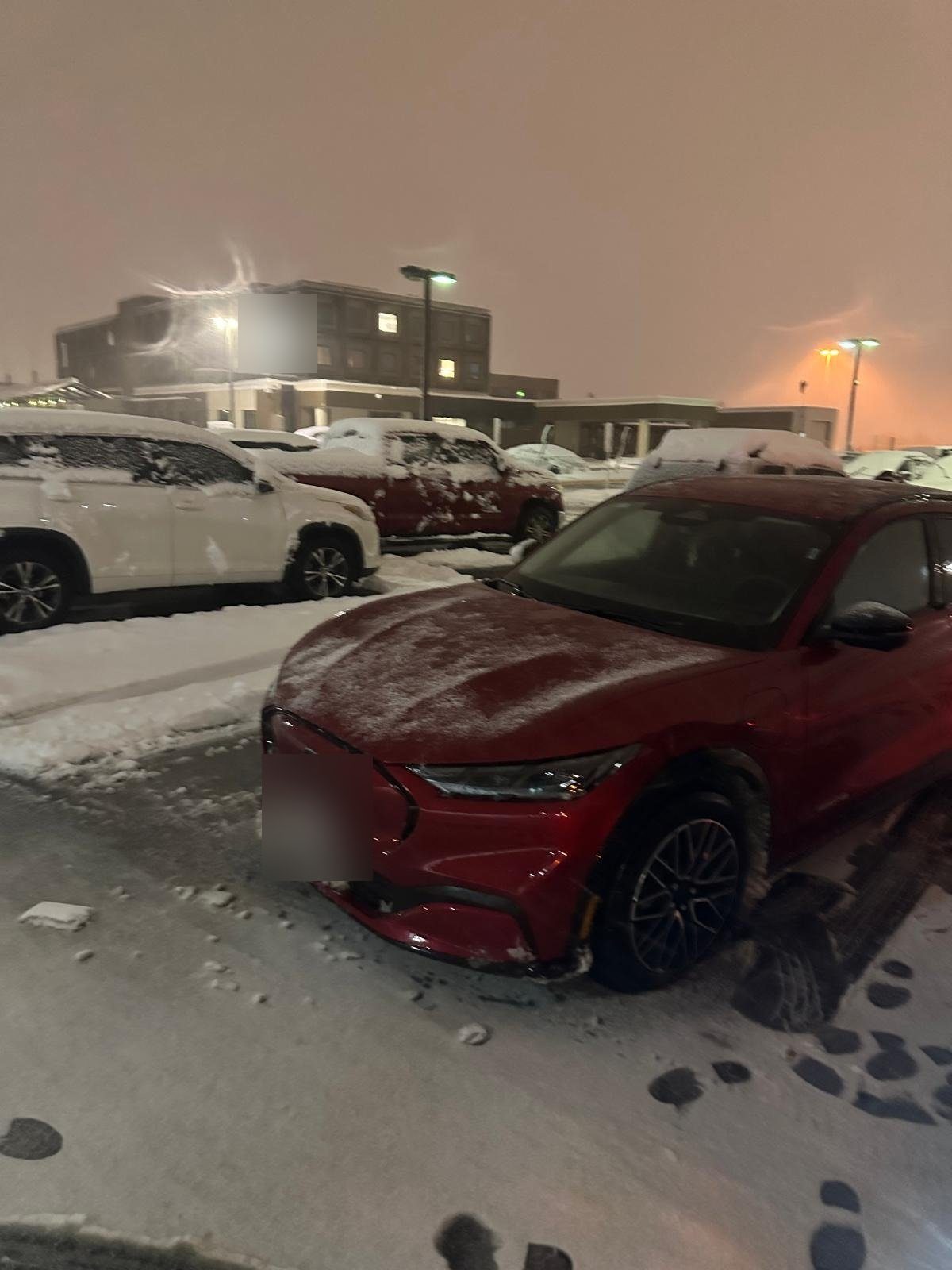
Quick answer: which drivetrain is best in snow?
| Drivetrain | Pulling away | Hills, deep snow | Stopping and turning | Verdict |
|---|---|---|---|---|
| Front wheel drive (FWD) | Good | Fair | Tires decide | Fine for most drivers |
| All wheel drive (AWD) | Best | Good | Tires decide | Helps, not magic |
| Four wheel drive (4WD) | Good (when engaged) | Best | Tires decide | Deep snow, rural roads |
| Rear wheel drive (RWD) | Weakest | Weakest | Tires decide | Needs winter tires |
| What matters most | Drivetrain | Drivetrain and tires | Tires | Tires first, then drivetrain |
Based on the Tyre Reviews test reported by Motor1 and NHTSA winter driving tips. Checked October 2026.
Why front wheel drive is good in snow
In a front-wheel-drive car, the engine sits over the wheels that drive the car. That weight presses the front tires into the snow and gives them more grip.
FWD also pulls the car rather than pushing it, so the nose tends to follow where the wheels point. Add traction control, which most modern cars have, and front wheel drive in snow is steady and predictable. Pulling a sled is easier than pushing one, and your car agrees.
Where FWD struggles
- Steep hills. Weight shifts to the rear on a climb, off the driven wheels.
- Deep, unplowed snow. Two driven wheels have less to work with than four.
- Nose-first into a snowbank. The driven wheels are the ones buried.
The front tires also steer, pull and do most of the braking. They are the hardest-working employees in the car, and nobody ever gives them a plaque.
Is all wheel drive good in snow?
Yes, for getting moving. AWD sends power to all four wheels, so it pulls away and climbs hills better than FWD. In the Tyre Reviews test, an AWD car on all-season tires clearly won acceleration on flat ground and on a hill start.
AWD does not help you brake or turn. The real risk is overconfidence: an easy start makes the road feel grippier than it is. The AWD badge on the tailgate has never once pressed the brake.
Is AWD or 4WD better in snow?
AWD works on its own, all the time or when the car senses slip. That suits plowed roads.
4WD, found on most trucks and many body-on-frame SUVs, is usually switched on by the driver and often has a low range for crawling. It is the better tool for deep snow, rural roads and unplowed drives. 4WD is the friend with a truck: great in a deep drift, more than you need for a grocery run.
Is rear wheel drive good in snow?
It is the weakest of the four. The driven wheels sit under the lighter end of the car, and pushing from behind makes the rear more likely to slide out.
Traction control and winter tires make a modern RWD car usable in snow. On worn all-seasons, RWD in snow is a hobby, not a commute.
Tires matter more than the drivetrain
In the same Tyre Reviews test, the FWD car on snow tires stopped about a car length shorter than the AWD car on all-seasons and was slightly quicker around the handling course. The AWD car still won on acceleration.
NHTSA suggests considering snow tires and wants at least 2/32 inch of tread on every tire. If you fit winter tires to a FWD car, fit all four. The full reasoning is in are all-season tires good in snow. Four patches of rubber, each about the size of your hand, do the real work in snow.
Driving any car in snow: 4 habits
- Slow down. Stopping and steering take longer on snow.
- Leave much more room to the car ahead, enough to stop in time.
- Accelerate, brake and steer gently. Sudden inputs break traction.
- With antilock brakes, press firmly and keep steady pressure. Do not pump.
The first, second and fourth come from NHTSA. For what to keep in the car and what to do if you break down, see our winter roadside safety tips.
If you slide off or get stuck
Get safe, then call. On I-70, I-71 or I-270, if you cannot get off the roadway, stay buckled in with your hazards on. Do not stand beside the car in traffic.
A car stuck in a lot or a side-street drift often comes out with a shovel and patience. Try our steps for getting a car unstuck from snow before you call anyone. If it will not move, our winch-outs include cars stuck in snow, estimated at $150 to $300 per hour.
If an AWD or 4x4 car needs a tow, ask for a flatbed. It carries the whole car, so nothing drags or twists. We tow with our own flatbed and a partner tow company; see types of tow trucks and our Columbus tow service. We work 6 AM to 8 PM daily and arrive in about 32 minutes on average, depending on traffic, weather and location.
Frequently asked questions
What type of car is bad in snow?
A rear-wheel-drive car on worn or summer tires struggles most. Low cars also have trouble in deep snow, because the underside rides on the snow and the tires lose their grip.
What is the disadvantage of FWD in snow?
The front tires do the steering, the pulling and most of the braking, so they can run out of grip first. FWD also struggles on steep hills and in deep, unplowed snow.
Which is better in snow, FWD or RWD?
FWD, for most drivers. The engine's weight sits over the front wheels that pull the car, while a RWD car pushes from the lighter rear. Winter tires narrow the gap.
Is AWD worth it for Ohio winters?
It helps you pull away and climb hills, which is useful on unplowed side streets. It does not help you stop or steer, so winter tires matter more than the drivetrain.
Can an AWD car be towed with the wheels on the ground?
Ask for a flatbed. Towing an AWD car with some wheels on the road can strain the drivetrain, and a flatbed lifts the whole car so nothing turns or drags.
More winter driving guides: how to drive on black ice; how to get ice off your windshield.
The bottom line
Front wheel drive is good in snow for most drivers. AWD helps you pull away and climb, 4WD is best in deep snow, and RWD needs winter tires. Whatever drives your car, the tires decide how well it stops and turns.
Stuck in the Columbus snow?
Call (380) 288-2822, 6 AM to 8 PM daily, Eastern Time. A dispatcher confirms the price and an arrival estimate before anyone heads your way.
Front, rear or all four: may every wheel stay on the plowed side of the road this winter.