How to Drive on Black Ice (and What to Do If You Start to Slide)
Published Oct 23, 2026 · 6 min read · By Hassan, Owner of Roadmate Services
Black ice is a pothole you cannot see that steals your grip instead of your hubcap. If you hit black ice, take your foot off the gas, do not slam the brakes, keep the wheel steady and look and steer gently where you want to go. The real skill in how to drive on black ice is slowing down before you reach it: on bridges, ramps and shaded stretches, on cold mornings.
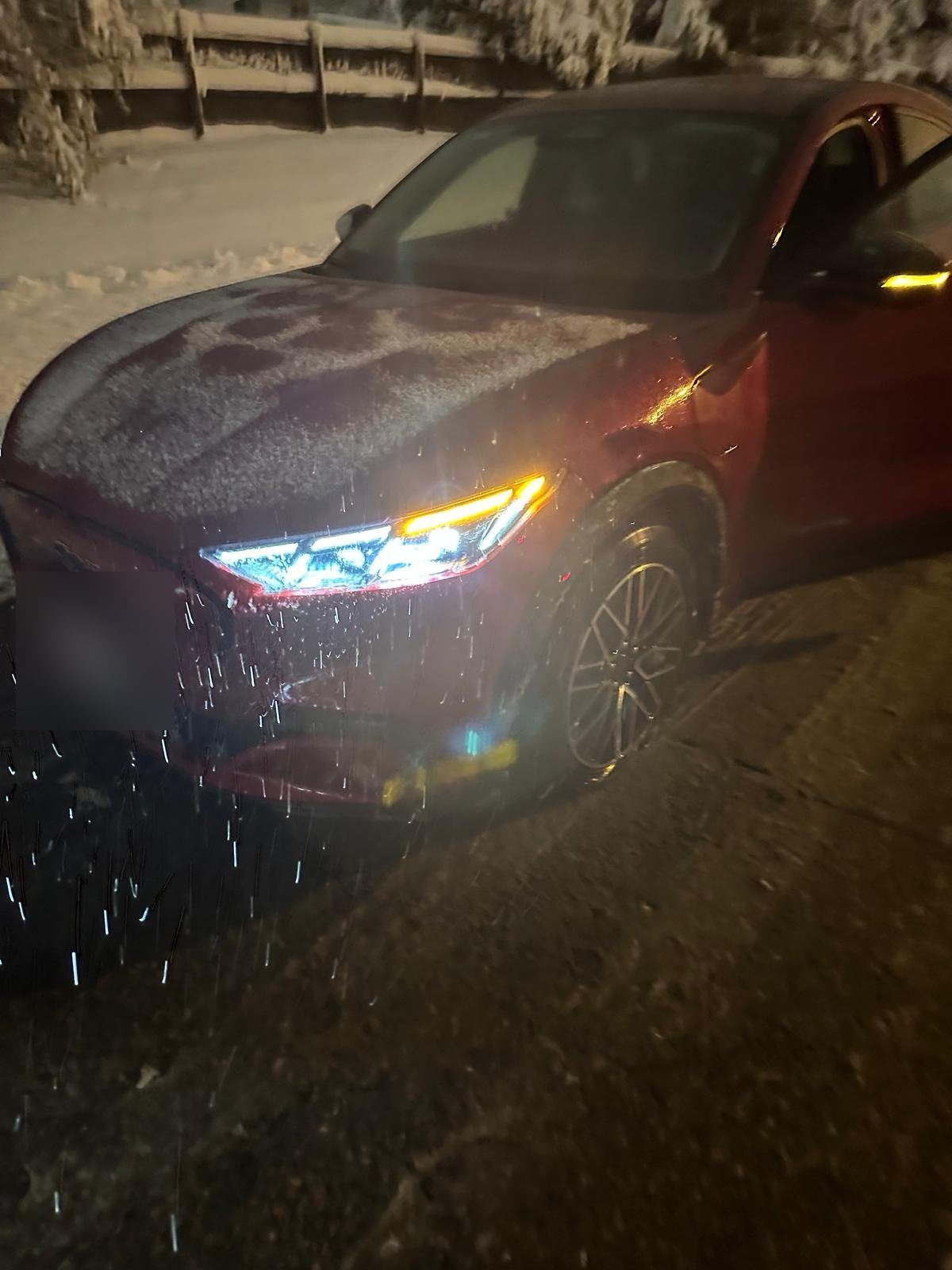
Quick answer: black ice in 5 situations
| Situation | Do | Do not |
|---|---|---|
| Ice likely ahead (bridge, ramp, shade) | Slow down before you reach it | Brake or turn on the ice |
| The car starts to slide | Ease off the gas, keep the wheel steady | Slam the brakes or jerk the wheel |
| You must stop, car has ABS | Firm, continuous pressure on the pedal | Pump the pedal |
| You must stop, no ABS | Pump gently if the wheels lock | Hold the wheels locked |
| You slid off the road | Hazards on, get safe, then call | Get out into traffic |
What is black ice, and where does ice on roads form?
Black ice is a thin layer of clear ice on the pavement. It is not black at all; it is so transparent that you see the dark road through it, so it looks like a wet patch. According to Minnesota DOT, it forms when the air is warmer than the pavement, so moisture on the road freezes fast.
The usual places:
- Bridges and overpasses, which freeze before the rest of the road.
- On-ramps, off-ramps and curves, where you are already braking or turning.
- Shaded stretches under trees, buildings and hills.
- Tunnel entrances and underpasses.
- Any road after rain or a daytime melt that refreezes.
A bridge freezes first because it has cold air on both sides, like a person standing in a doorway in January. Around Columbus, that means the bridges and ramps on I-70, I-71 and I-270, and the river crossings over the Scioto and Olentangy, deserve extra care on cold mornings.
How to spot black ice
- The road looks wet or shiny, but the temperature is near or below freezing.
- Spray from the cars in front stops, even though the road still looks wet.
- Ice is forming on your mirrors or wipers.
- The steering suddenly feels light and the tire noise goes quiet.
A driving instructor interviewed by KSHB put it simply: if it is shiny and it is cold, it is probably ice. The road is not sweating; it is setting a trap.
How to drive on black ice
Slow down before the ice, not on it
Brake on dry or salted pavement before a bridge, ramp or shaded curve, then cross at a steady speed with the wheel straight. The NHTSA winter driving tips start with the same advice: slow down, because it is harder to control or stop a car on a slick surface.
Leave far more room
NHTSA says to leave enough following distance to stop for the cars ahead. The instructor in the KSHB interview suggests double or triple your normal gap. On ice, the car in front is not the only one that cannot stop.
Turn off cruise control
Minnesota DOT says not to use cruise control in winter conditions. You want your own foot deciding when to ease off.
Keep every input smooth: gas, brake and steering
Accelerate gently, brake early and lightly, and turn the wheel slowly. Sudden moves are what break the little grip the tires have. Where it is safe, the KSHB instructor suggests driving in the tracks of the cars ahead, because that part of the lane is more travelled.
If you hit black ice: what to do in a skid
- Take your foot off the gas. Let the car slow down on its own.
- Do not slam the brakes. Minnesota DOT warns that braking on ice can cause a skid.
- Keep the wheel steady, then steer gently where you want to go. If the back of the car slides, turn slowly in the direction of the skid. Look at the open road, not at the ditch or the pole.
- If you must brake, use the right method. NHTSA: with antilock brakes (ABS), apply firm, continuous pressure; the pedal may pulse, and that is normal. Without ABS, pump the brakes if you feel the wheels starting to lock.
How to drive in the snow and ice
Snow and black ice need the same basics from NHTSA:
- Slow down and give yourself more time to stop.
- Increase your following distance.
- Know your brakes: firm, steady pressure with ABS; pump only without ABS if the wheels lock.
- If roads are bad, consider postponing non-essential trips until they are cleared.
Clear the snow off the whole car, roof included, before you go. For staying warm and visible on a winter shoulder, read our winter roadside safety tips. A snow-covered roof is not a free cargo box.
When to worry about black ice (and when to stay home)
- The temperature is around freezing, especially after rain, sleet, fog or a sunny afternoon melt.
- It is early morning or late at night, when the pavement is coldest.
- The sky was clear overnight, which lets the road lose heat fast.
If the trip can wait a few hours for the sun and the salt trucks, let it wait. Ohio weather tends to change its mind by lunchtime anyway.
Do snow chains or winter tires help on black ice?
NHTSA’s advice is to consider snow tires. Winter tires are made for cold roads, snow and ice, but no tire makes black ice safe. The sources we used do not recommend chains for black ice, so we will not either.
Two cheaper checks matter too: enough tread, and the right pressure. Cold air drops it, as our guide to tire pressure in cold weather explains. If you are weighing new tires, see winter tires vs all-season tires. Tires are the only part of the car that touches the road, so they get a vote on every decision.
If you slide off the road: get safe, then call
- Call 911 if anyone is hurt, or if the car is stopped in a traffic lane.
- Turn the hazards on.
- On or beside a highway, stay in the car with your seatbelt on. Other drivers are on the same ice. Highway safety comes before speed.
- Do not try to drive out of a ditch on ice. Spinning wheels can pull the car further in.
- Then call for a winch-out or a tow.
If the car broke down on the highway rather than slid off, follow our steps for a car broken down on the highway. If it is only stuck in snow on a quiet street, you may not need us at all: how to get a car unstuck from snow walks you through it.
In Columbus, we winch cars out of snow and ditches and tow cars that cannot be driven. We take slide-off calls during ice storms too, within our hours. Our estimated winch-out range is $150 to $300 per hour.
Our estimated tow range is $125 to $275 for tows of about 1 to 15 miles; longer tows are quoted by phone. A dispatcher confirms the price before anyone heads your way.
We work 6 AM to 8 PM daily, Eastern Time. Average arrival in Columbus is about 32 minutes, depending on traffic, weather and location. Ice slows everyone down, including us, so we will give you a realistic time rather than a fast one. See our towing and winch-out service in Columbus.
Frequently asked questions
How do you know you are driving on black ice?
The steering suddenly feels light, the road noise goes quiet and the car can feel like it is floating. If you see that, do not brake or turn hard. Ease off the gas, keep the wheel steady and let the car slow down on its own.
When should you worry about black ice?
When the temperature is near or below freezing and the road has been wet from rain, melting snow or fog. Early mornings, clear nights, bridges, overpasses, ramps and shaded stretches are the usual spots. If the road looks wet but it is freezing outside, treat it as ice.
Should you brake on black ice?
Avoid braking on the ice patch itself if you can. Minnesota DOT warns that braking on ice can cause a skid. If you must stop, NHTSA says to use firm, continuous pressure with antilock brakes, and to pump the brakes without ABS if the wheels start to lock.
Do snow chains help on black ice?
The government sources we used do not recommend chains for black ice. NHTSA's advice is to consider snow tires, and to slow down. Good tires at the right pressure and lower speed do more for you on ice than any single gadget.
What should I do if I slide into a ditch on ice?
Get safe first: hazards on, and stay buckled in if you are near traffic. Call 911 if anyone is hurt or the car is in a lane. Then call for a winch-out or tow. Our winter roadside safety tips cover staying warm while you wait.
More winter driving guides: is front wheel drive good in snow; how to get ice off your windshield.
The bottom line
Black ice is thin, clear and hard to see, and it shows up first on bridges, ramps and shaded roads on cold mornings. Slow down before those spots, leave far more room and keep every input smooth. If you start to slide, ease off the gas, skip the hard braking and steer gently where you want to go. If you end up off the road, get safe, then call.
Slid off the road in Columbus?
Once you are safe, call (380) 288-2822, 6 AM to 8 PM daily, Eastern Time. A dispatcher confirms the price and a realistic arrival time before a technician heads your way.
Drive slow, arrive bored. On ice, boring is the goal.