Dry Rot Tires: How to Spot It and When It Is Unsafe
Published Oct 23, 2026 · 6 min read · By Hassan, Owner of Roadmate Services
Tires are the only part of the car that gets old just sitting in the garage. Dry rot tires are tires whose rubber has started to crack from age, sun, heat and ozone. Light surface lines need a tire shop to look at them. Deep cracks, or cracks in the tread grooves, mean the tire needs replacing, and no plug or patch can fix it.
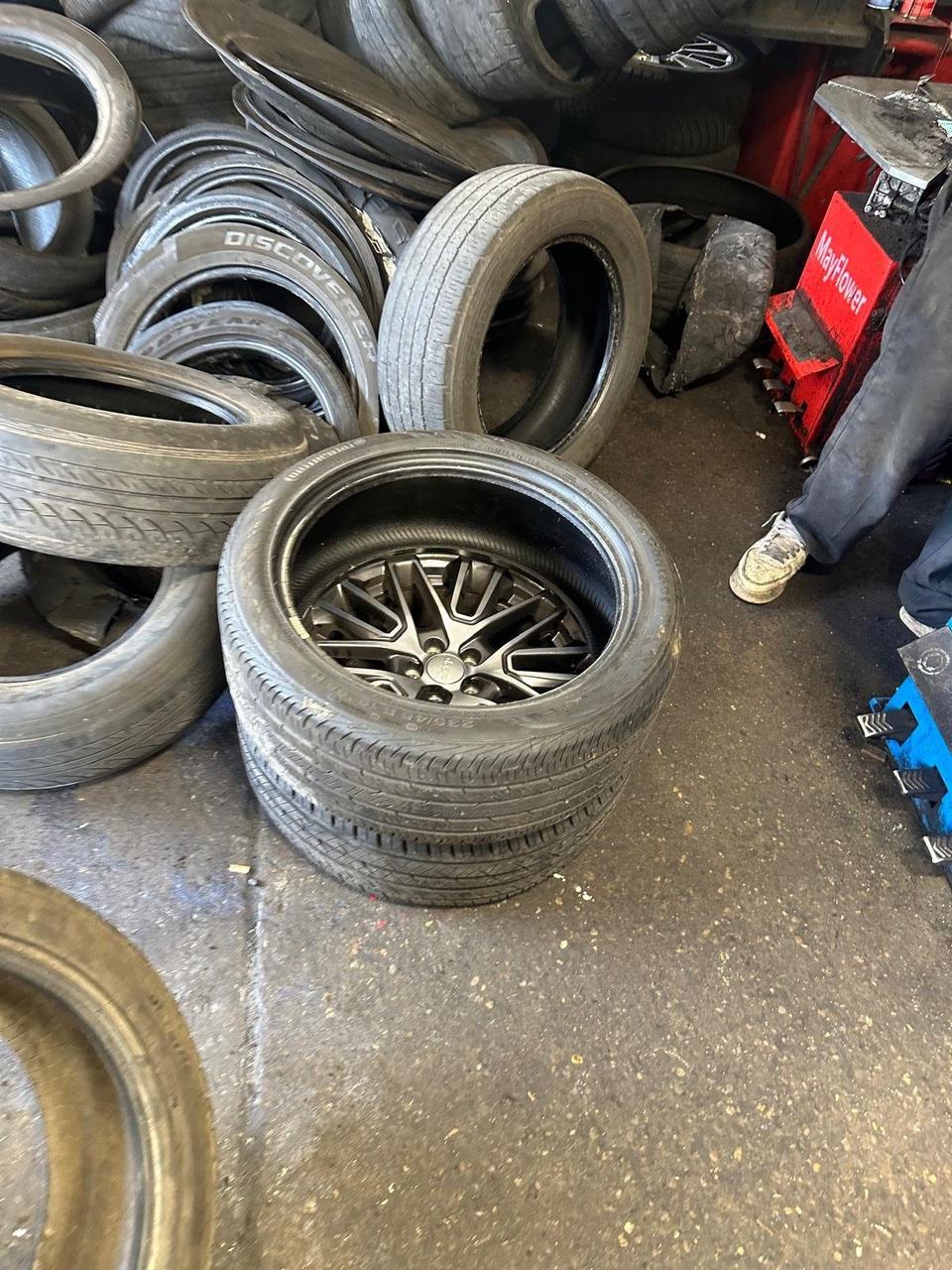
Quick answer: dry rot at a glance
| What you see | What it means | What to do |
|---|---|---|
| Fine surface lines, rubber still soft | The rubber is starting to age | Have a tire shop look at it; check it monthly |
| Visible cracks in the sidewall or tread grooves, hard or grey rubber | Dry rot | Replace the tire; skip highway trips until then |
| Cracks with cords or wire showing, or a bulge | The tire's structure is failing | Do not drive on it; fit the spare or call for help |
| Tire 10 years past its DOT date | Too old, whatever it looks like | Replace it (Michelin, Bridgestone) |
Based on Cooper Tire, NHTSA, Michelin and Bridgestone. Checked October 2026.
What is tire dry rot?
Tire dry rot (also spelled tyre dry rot) is cracking or splitting in a tire’s rubber as it ages and hardens. Cooper Tire describes it as cracking or splitting in the sidewall, and its advice is short: if you spot dry rot, replace the tire.
Think of a garden hose left out all summer: stiff, faded and cracked wherever it bends.
How to tell if your tires are dry rotted
Check for dry rot on tires in daylight: all four, then the spare.
Cracks in the sidewall
Tire sidewall cracking (cracking tyre sidewalls, in British spelling) is the classic sign: thin lines, often in a web pattern, on the side of the tire or near the rim. A cut from a curb is a different problem; see tire damage on the sidewall.
Cracks in the tread grooves
Look into the grooves between the tread blocks. Cracks there are easy to miss and serious, because that rubber meets the road.
Faded, grey or hard rubber
Healthy rubber is black and gives a little when pressed. Dry rotted tires look grey and feel hard. Tire shine hides it for a week; it is a moisturiser, not a cure.
A tire that keeps losing air
Cracks near the rim can let air seep out. If one tire needs air every week with no nail in sight, have it checked; see slow leak in a tire for other causes.
What causes dry rot on tires?
- Sun and heat. UV light and high temperatures speed up aging, according to NHTSA.
- Ozone. It attacks rubber; Cooper Tire warns against storing tires near electric motors.
- Sitting unused. Driving keeps the rubber flexing.
- Low pressure. An underinflated tire runs hot and cracks sooner.
- Harsh chemicals. Petroleum-based cleaners and, per Les Schwab, road deicer. Ohio winters supply plenty of the second one.
- Age. Every tire ages from the day it is made, driven or not.
Parking in the same sunny spot every day is great for a tan and terrible for a tire.
Can you drive on dry rotted tires?
It depends on how far the cracking has gone.
- Light surface lines, soft rubber: drive gently to a tire shop and have it checked.
- Clear cracks in the sidewall or tread: NHTSA says to stop using a tire with cracks. Replace it, and avoid highway trips and long hot drives until you do.
- Cords or wire showing, or a bulge: do not drive on it. Fit the spare or call for help. A bulge is its own warning; see bubble in a tire.
If a cracked tire fails on I-70, I-71 or I-270, get safe, then call. Pull as far off the road as you can, turn on your hazards and stay buckled in if you cannot get away from traffic. Never change a tire on the traffic side of a highway shoulder.
Can dry rot be repaired?
No. A plug or a patch seals a puncture in the tread, such as a nail hole. It does nothing for rubber that has hardened and split, and sealants do not reverse it. The only fix is a new tire.
That is also why we are plain about it on the phone: we can plug a nail hole, but we cannot plug old age.
How many years until tires dry rot?
There is no fixed number. A tire kept in a garage and driven weekly ages slower than one baking in a driveway. Age counts from the date the tire was made, not the date you bought it.
That date is on the sidewall: the last four digits of the DOT code give the week and year of manufacture, so “2419” means the 24th week of 2019. Michelin and Bridgestone say to replace tires 10 years after that date, whatever the tread looks like. For tread depth and the penny test, see when to change tires.
Do not forget the spare
Your spare ages too. NHTSA notes that spare tires are prone to aging because they seldom get replaced. The spare in many trunks has never seen a road and is still collecting birthdays. Check it before you need it, and read how long you can drive on a spare tire before you rely on one.
How to slow dry rot down
- Check the pressure monthly, spare included, and keep it at the number on the door jamb sticker.
- Drive the car regularly. If it sits for months, move it now and then.
- Park in a garage or the shade when you can. Wheel covers help on a car in storage.
- Clean tires with soap and water, not petroleum-based products.
- Store loose tires cool, dry and out of the sun.
Your tires do not need a spa day. Shade, soap and the right pressure will do.
Cracked tire gave out in Columbus?
Get safe first, then call. We fit a usable spare and carry a compressor for a flat one. No spare? We can bring a used or new tire, or take yours to a shop, have it replaced and bring it back.
- Tire change with your spare: estimated $85 to $175
- Tire taken to a shop, replaced and brought back: quote by phone
We arrive in about 32 minutes on average, depending on traffic, weather and location, 6 AM to 8 PM daily.
Not everything is a roadside job, and we will say so. We can get you moving today, but a dry-rotted set needs a tire shop soon after. As Hassan puts it, good tires prevent some flats, and the rest pick the worst moment. More on mobile tire service in Columbus.
Frequently asked questions
Can I drive on dry rotted tires?
With light surface lines and soft rubber, drive gently to a tire shop. With clear cracks, replace the tire first; NHTSA says to stop using a cracked tire. With cords showing or a bulge, do not drive on it.
How many years does it take for tires to dry rot?
There is no fixed number; sun, heat and sitting unused speed it up. Michelin and Bridgestone say to replace tires 10 years after they were made, whatever they look like.
Can dry rot on tires be repaired?
No. A plug or patch seals a puncture in the tread, not cracked, hardened rubber. Cooper Tire's advice is to replace a tire that shows dry rot.
How do you tell if tires are dry rotted?
Look for cracks in the sidewall, tread grooves or near the rim, grey and hard rubber, and a tire that keeps losing air. Check all four and the spare in daylight.
Does a dry rotted spare tire matter if I never use it?
Yes. A spare ages from its DOT date even if it never touches the road, and NHTSA notes that spares seldom get replaced. Check it with the other four.
Reading the date code: how to tell the age of a tire.
The bottom line
Dry rot is rubber cracking with age, sun, heat and ozone. Fine lines need a tire shop’s opinion, clear cracks mean a new tire, and cords or a bulge mean do not drive. It cannot be plugged, and any tire 10 years past its DOT date is due, spare included.
Tire gave out in Columbus?
Call (380) 288-2822, 6 AM to 8 PM daily, Eastern Time. A dispatcher confirms the price and an arrival estimate before anyone heads your way.
Check your tires this weekend, and keep the cracks in your week to breakfast eggs.