Can You Plug a Run-Flat Tire? When It Can Be Fixed and When It Cannot
Published Oct 23, 2026 · 5 min read · By Hassan, Owner of Roadmate Services
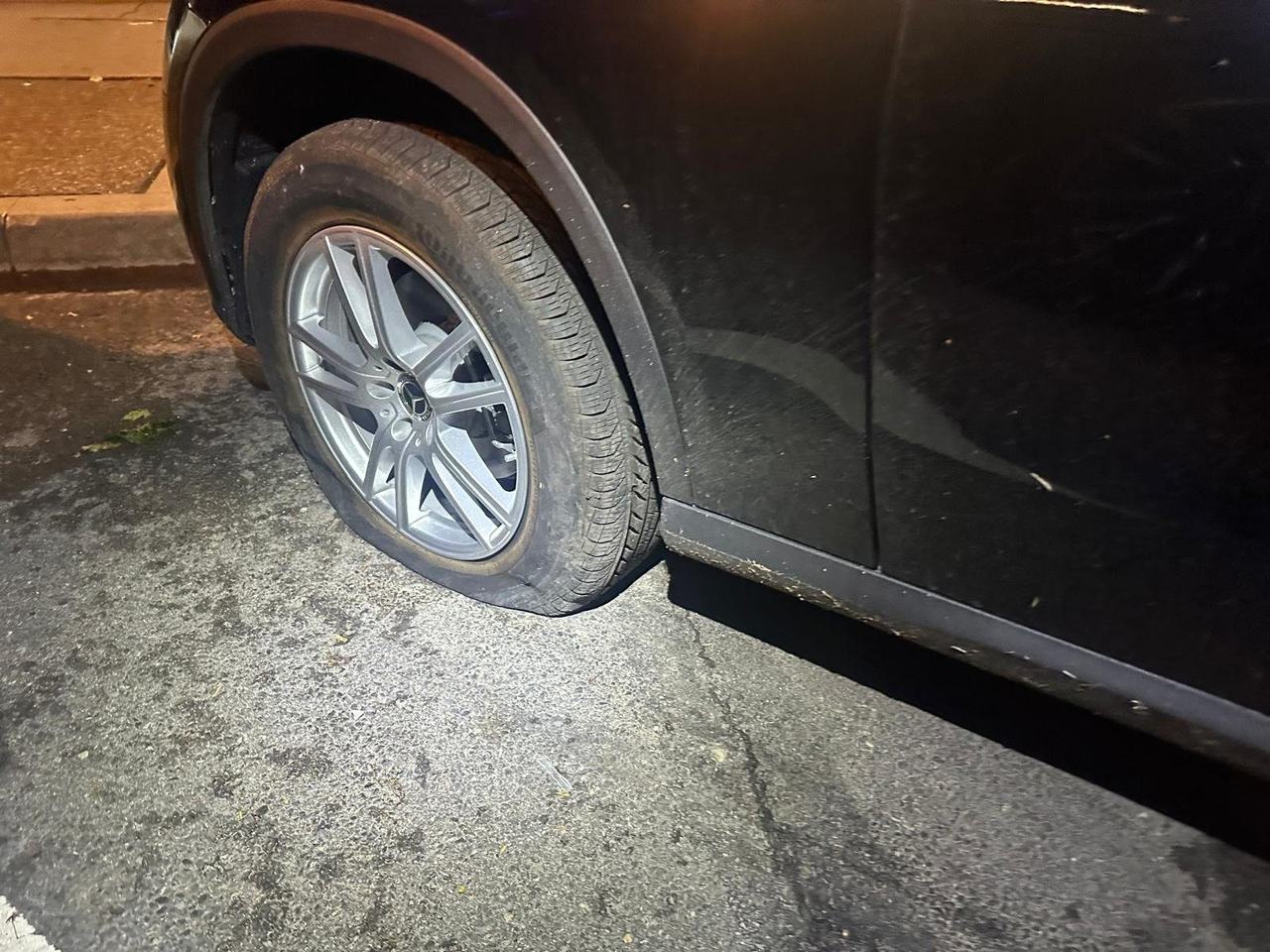
Run-flats keep rolling after a puncture, which is great until you forget you have one. So can you plug a run flat tire? Sometimes. The hole has to be small and in the tread, you cannot have driven far on it without air, and the tire maker has to allow repairs. Several makers say never. If any of those is in doubt, replace the tire.
Quick answer: can this run-flat be repaired?
| Question | If yes | If no |
|---|---|---|
| Is the hole in the tread and 1/4 inch or smaller? | Go to the next question | Replace the tire |
| Did you stop soon after the warning, at low speed? | Go to the next question | Replace: likely damage inside |
| Does the tire maker allow run-flat repairs? | Repair after an inside inspection | Replace the tire |
| Has it been repaired before? | Check the maker's limit (often one repair) | Repairable if the rows above pass |
| Result | Every answer passes: repairable. Any doubt: replace. | |
Industry guidance, not a Roadmate rule. Sources: USTMA puncture repair procedures, Goodyear. Checked October 2026.
Can you plug a run flat tire? The three conditions
Where the hole is: tread only, 1/4 inch at most
The U.S. Tire Manufacturers Association limits repairs to the tread, with a hole no wider than 1/4 inch. Anything in the shoulder or sidewall means a new tire. A run-flat’s stiff sidewall holds the car up, so damage there is never repairable.
How far you drove on it flat
Driving with low or no air wears the inside of the sidewall, where you cannot see it. Goodyear says a run-flat driven a substantial distance at low or zero pressure should not be repaired. The tire knows what it went through. It just will not tell you.
What the tire maker says
Makers can set stricter rules than USTMA for their own run-flats. Those rules win.
Run flat repair rules by brand
| Tire brand | Run-flat repair | Condition |
|---|---|---|
| Bridgestone, Firestone | Repair allowed | Only if the tire kept at least 15 psi |
| Michelin, BFGoodrich | Repair allowed | One repair maximum |
| Goodyear | Repair allowed | One repair maximum; not if driven far at low or zero pressure |
| Dunlop | Repair allowed | One repair maximum (H speed rating and up) |
| Hankook, Kumho | Repair allowed | No extra conditions listed |
| Continental | Not recommended | Covered by its own road hazard program instead |
| Pirelli | Not endorsed | Covered by its own road hazard program instead |
| Yokohama | Not repairable | Replace |
Manufacturer policies as listed by Tire Rack, plus Goodyear’s own page. Checked October 2026. Policies change, so check your tire’s warranty before a repair.
Tire makers agree on plenty of things. This is not one of them. Some sources, such as Kelley Blue Book, go further and say a run-flat should never be repaired.
Run flat tyre repair: plug, patch or plug-patch?
For a permanent repair, USTMA says a plug alone or a patch alone is not acceptable. The standard is a plug-patch fitted from inside after the tire is taken off the wheel and inspected. On a run-flat, that inside look matters most.
Our on-site repair is a plug. On a small tread puncture in a run-flat that was not driven flat, it gets you moving; then have a shop look inside and fit a plug-patch. Our guide on how long a tire plug lasts covers the difference. A plug fixes the hole you can see; the shop checks the parts you cannot.
How to tell if a tire is a run flat
- Sidewall marking. Common ones, per Black Circles: RFT (Bridgestone), ROF (Goodyear, Dunlop, Bridgestone), ZP (Michelin), SSR (Continental), DSST (Dunlop), EMT (Goodyear), ZPS (Yokohama), or simply RUN FLAT.
- No spare. Most run-flat cars have no spare, jack or wrench. Looking for a spare in a car that never had one is a short search.
- Owner’s manual. It says if the car left the factory on run-flats.
The sidewall codes read like a password nobody can remember, so a photo on your phone helps.
Run flat tires cost: what to expect
Market figure, not a Roadmate price: Kelley Blue Book says run-flats generally cost 25% to 100% more to replace than regular tires.
Some makers allow one repair at most and some allow none, so plan on buying a tire sooner than with a regular one.
Are run flats worth it?
Pros: you can drive on to a safe place after a puncture, with no wheel change on a busy shoulder. Cons: higher price, firmer ride, limited repairs, usually no spare, and Kelley Blue Book notes they wear out sooner.
Worth it if avoiding a shoulder tire change matters most to you. A smoother ride is not on the list. For distance and speed limits (Bridgestone rates its DriveGuard tires for up to 50 miles at up to 50 mph), see how long you can drive on a spare or run-flat.
Run-flat puncture in Columbus?
On a highway, get safe, then call: hazards on, roll to the next exit or as far onto the shoulder as you safely can, and stay buckled in if it is not safe to get out. More in can you drive on a flat tire.
We repair and replace run-flat tires. Depending on the damage, we plug a run-flat on site or take it to a shop. Our estimated range for tire repair on site in Columbus is $75 to $150, and you see the price before you confirm. If the tire cannot be repaired, we take it to a shop, get it replaced and bring it back to fit it (quote by phone). A run-flat that was driven flat is a replacement, not a roadside plug.
- Hours: 6 AM to 8 PM daily, Eastern Time.
- Average arrival in Columbus: about 32 minutes, depending on traffic, weather and location.
See mobile tire service in Columbus for the full service.
Frequently asked questions
What happens if you plug a run-flat tire?
It may hold air, but a plug from outside cannot show damage inside the tire. If the tire was driven flat, that hidden damage can make it unsafe, and some makers say a repair voids the warranty.
Is it better to plug or patch a run-flat tire?
Neither on its own. The industry standard (USTMA) is a plug-patch fitted from inside after the tire is taken off the wheel and inspected. A plug alone is a temporary fix to get you moving.
Can you repair a nail in a run-flat tire?
Often, if the nail is in the tread, the hole is 1/4 inch or smaller and you did not drive far without air. Leave the nail in until the tire is looked at, because pulling it out lets the air go.
How far can you drive on a run-flat with a nail in it?
Only as far as your owner's manual allows, and less is better. Bridgestone rates its DriveGuard run-flats for up to 50 miles at up to 50 mph. Our spare tire guide covers the limits in more detail.
The bottom line
A run-flat can be plugged only when the hole is small and in the tread, it was not driven far without air, and the maker allows it. Check the brand table and your warranty first. For a lasting repair, a shop should inspect it from inside and fit a plug-patch. When in doubt, replace it.
Run-flat warning on in Columbus?
Call 6 AM to 8 PM daily. A dispatcher confirms availability, your full price and an arrival estimate before anyone heads your way.
Run-flats are built to keep going. Just not forever, and not on a plug alone.