Flat Spots on Tires: Will They Go Away on Their Own?
Published Nov 25, 2026 · 6 min read · By Hassan, Owner of Roadmate Services
The first mile after a cold night can feel like your car traded its wheels for slightly square ones. That thump is usually flat spots on tires, and most of the time they go away on their own after a few miles of driving (Continental), or about 20 minutes at highway speed (Michelin).
The exceptions: a car parked under load for a month or longer, or a tire that skidded with the wheel locked. Those flat spots can stay much longer, and a vibration that is still there after a warm-up drive is worth a tire shop’s look.
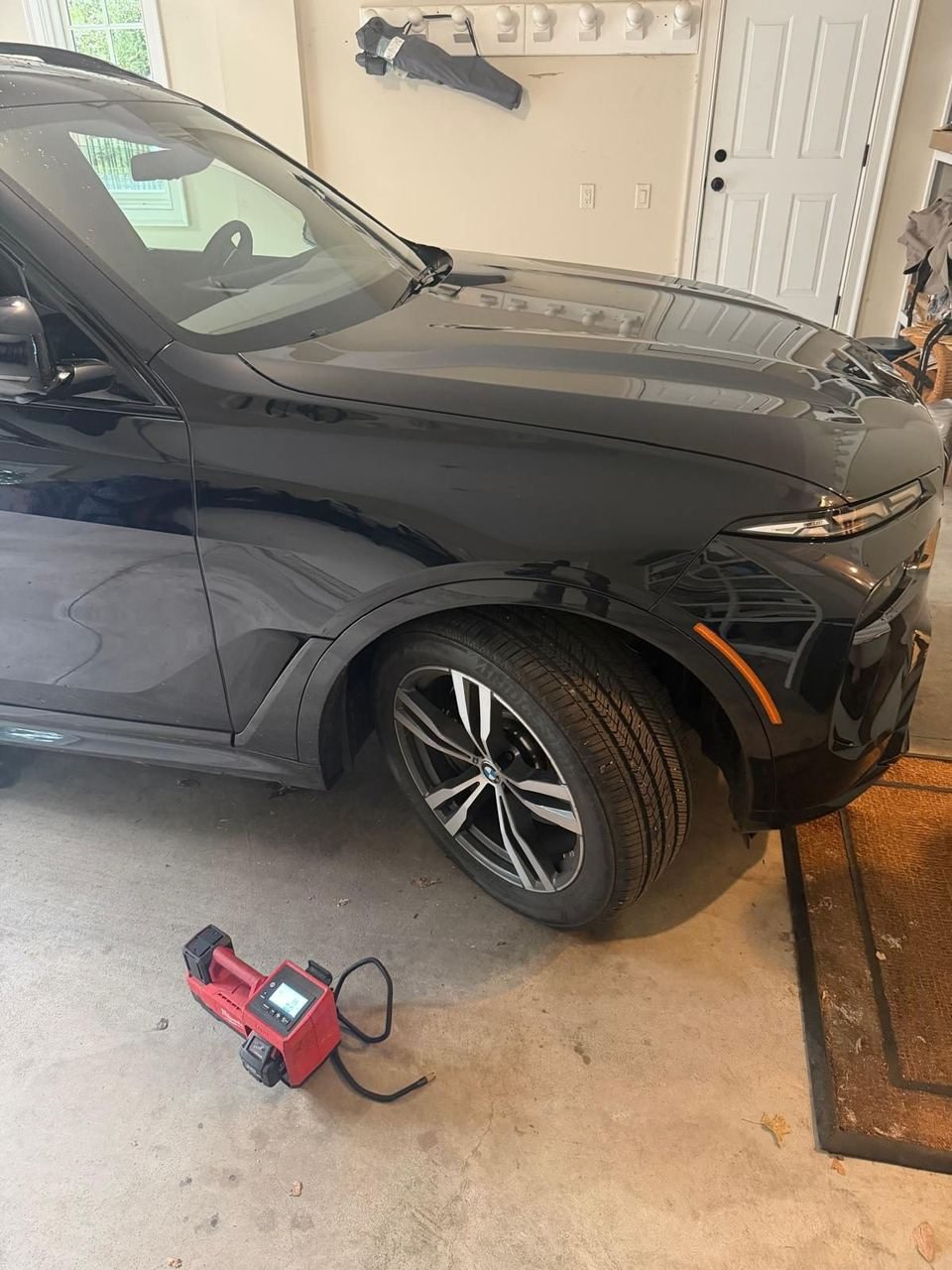
Quick answer: 3 kinds of tire flat spots
| Type | Usual cause | Does it go away? |
|---|---|---|
| Temporary flat spot | Parked overnight or a few days, worse in the cold | Goes away after a few miles of driving |
| Semi-permanent flat spot | Parked under load for a month or longer, low pressure, heat | May take a good bit of driving; if not, a tire shop |
| Braking (skid) flat spot | A wheel locked under hard braking; rare with ABS | Can take thousands of miles; have it checked |
| Rule of thumb | Smooth after a warm-up drive: fine. Still thumping after 20 minutes on the highway: tire shop. | |
From Continental, Michelin and Tire Rack, checked November 2026. General guidance; your tire maker’s advice comes first.
Most drivers only ever meet the first kind. It shows up uninvited on cold mornings and leaves before you reach the coffee shop.
What causes flat spots on tires? 4 reasons
A rolling tire flexes flat where it meets the road and springs back as it turns, about 800 times every mile, according to Tire Rack. When the car stops, the same patch stays squashed. Leave it long enough and the tire remembers the shape.
1. Cold nights
Cold makes rubber stiffer, so it holds a flat spot more easily. A car parked outside on a freezing Columbus night is the classic case. Tires are a lot like the rest of us in January: stiff until they warm up.
2. Sitting for days, weeks or a whole winter
A few days or weeks gives a temporary flat spot. Continental says tires standing still under the car’s weight for a month or longer can get a semi-permanent one that normal driving will not fully fix. Tire Rack says tires on a car stored on the ground for many months can flat-spot for good.
3. Low pressure and heavy loads
An underinflated or overloaded tire flattens more where it sits, so the flat spot is bigger. Heat makes a long sit worse; Michelin warns against storing tires loaded and overinflated in heat.
4. Hard braking with a locked wheel
A wheel that locks and skids scrubs one patch of tread flat. Michelin says cars with anti-lock brakes rarely get this kind, and that it can take thousands of miles to wear away.
How to tell if a tire has a flat spot
A tire flat spot is easier to feel than to see. The signs:
- A thump or vibration in the first few minutes of driving after the car sat.
- The thump gets faster as you speed up. Michelin notes it follows wheel speed.
- It fades as the tires warm up, usually without you noticing the moment it goes.
If the thump follows your speed and not the song on the radio, it is the tires. If it never fades, it may be something else: a wheel out of balance, cupped tread or a bulge. Our guides on why your car is shaking and car shaking after snow cover those causes.
Will a flat spot on a tire correct itself?
A temporary one, yes. Once the tire reaches its normal running temperature the rubber relaxes back into shape. Continental and Tire Rack put that at a few miles; Michelin at more than 20 minutes at normal highway speed, with the time varying by tire.
A semi-permanent flat spot from storage may also round out, but Michelin says it can take a good bit of driving. A skid flat spot wears away slowly, if at all. Tire Rack adds that stiff, high-performance and low-profile tires are more prone to flat spots, so a sports car may thump longer than a minivan. The minivan is not bragging, but it noticed.
How to get rid of a tire flat spot in 4 steps
- Check the pressure first. Set all four tires to the pressure on the driver’s door sticker, cold. Tire Rack advises resetting to the carmaker’s pressure after a car has been stored. Our guide on how to put air in tires walks through it, and tire pressure in cold weather explains why it drops on cold nights.
- Drive it warm. A normal drive with some steady highway speed, more than 20 minutes if you can, per Michelin.
- Check again on the next drive. A flat spot that keeps coming back every morning and leaving after a few miles is normal for some tires in cold weather.
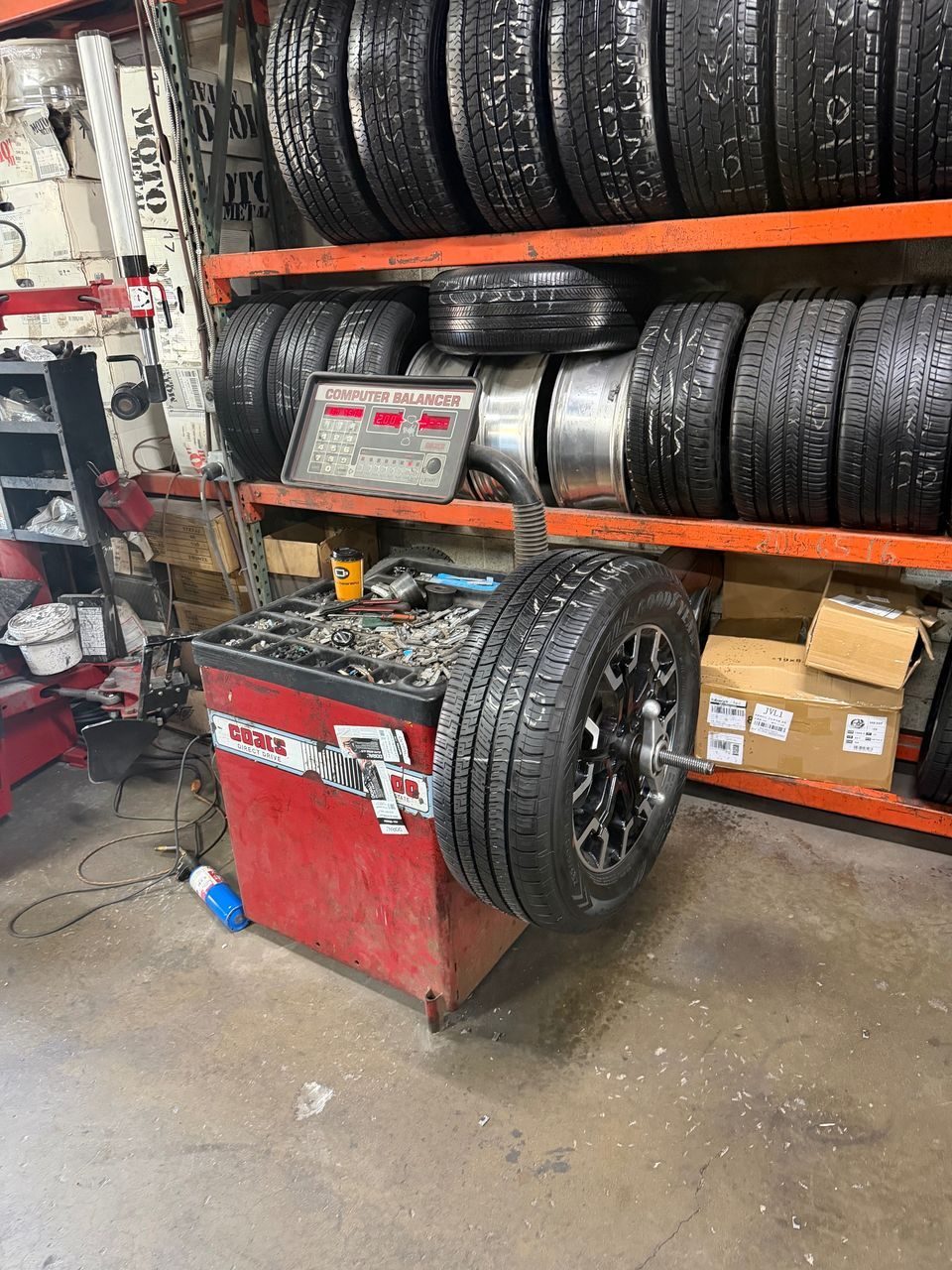
- Still vibrating? See a tire shop. Both Continental and Michelin say a vibration that does not go away needs a tire specialist. They can check the tire, the balance and the wheel.
5 ways to prevent flat spots when your car sits
- Keep the door-sticker pressure. Low tires flatten more. Michelin says overinflating does not help and can make it worse; Continental allows a small increase of 0.2 bar (about 3 psi) before a long sit, never above the maximum on the tire.
- Drive it regularly. Michelin recommends regular use, and a real drive, not just idling in the driveway, keeps the battery happier too. See how often you should start your car.
- Take the weight off for long storage. For more than a few weeks, Tire Rack suggests putting the car up on blocks so the tires carry no load. Use proper stands on solid ground, never just a jack.
- Warm the tires up before you park it. Tire Rack’s advice for storage is to drive the car until it is fully warmed up first.
- Keep it out of heat. Michelin advises storing tires away from heat and chemicals. A cool, dry garage beats a sunny gravel lot.
A car that sits all winter is not resting. It is quietly saving up problems for the first warm day in spring.
When you need us, and when you do not
Flat spots are not a roadside job. If the thump fades after a few miles, there is nothing to fix, and we would rather tell you that than drive out for it. If it stays, a tire shop is the right place, because we do not balance wheels.
A car that sat for weeks can have other problems, and those are ours. In Columbus we inflate low tires (an inflate-only visit is quoted by phone), fit your spare (estimated $85 to $175) or plug a tire on site when it can be repaired (estimated $75 to $150). If the battery died while it sat, we jump it (estimated $75 to $150) and test it; see car battery dead after sitting.
A strong new vibration at highway speed is different from a morning thump. Slow down, get safe off the road, then call. If you see a bulge, do not drive on it; see bubble in a tire.
We work 6 AM to 8 PM daily, Eastern Time, and arrive in about 32 minutes on average, depending on traffic, weather and location.
Frequently asked questions
Will a flat spot on a tire correct itself?
Usually, yes. A flat spot from sitting overnight or for a few days goes away once the tire warms up, often within a few miles. Continental says one from a month or more under load can be semi-permanent, and Tire Rack says tires stored on the ground for many months can flat-spot for good.
How long does it take for flat spots on tires to go away?
Continental and Tire Rack say a few miles of driving. Michelin says more than 20 minutes at normal highway speed relaxes most flat spotting, and that the time varies. If the vibration is still there after a proper warm-up drive, have a tire shop look at it.
Can tires get flat spots from sitting?
Yes, that is the most common cause. The part of the tire touching the ground stays squashed while the car is parked. Michelin notes it is normal for cars to sit for days or weeks, and that regular driving helps. The longer it sits, and the colder it is, the stronger the flat spot.
Do flat spots happen more in cold weather?
Yes. Tire Rack says cold makes rubber stiffer, so it is more likely to take a flat spot overnight. That is why the first mile on a cold Columbus morning can thump and then smooth out once the tires warm up.
Does overinflating tires prevent flat spots?
Michelin says no, and that it can make it worse; keep the pressure on the door sticker. Continental suggests a small increase of 0.2 bar (about 3 psi) before parking for a long time, but never above the maximum pressure on the tire. Underinflation is the bigger problem.
Can a flat spot ruin a tire?
A temporary flat spot does no harm. A deep flat spot from a skid, or one that never smooths out after storage, can leave a vibration that does not go away. A tire shop can tell you whether the tire needs replacing.
The bottom line
Flat spots on tires come from a car sitting, most often on cold nights, and the usual kind goes away after a few miles of driving. Weeks or months under load, low pressure, heat or a locked-wheel skid can leave one that lasts. Keep the pressure right, drive the car regularly, take the weight off for long storage, and see a tire shop if the vibration stays after a proper warm-up drive.
Low or flat tire in Columbus?
Call (380) 288-2822, 6 AM to 8 PM daily, Eastern Time. A dispatcher confirms the price and an arrival estimate before anyone heads your way.
Here is to round tires and a first mile as smooth as the last one.